Imerkhevi · İmerhev · იმერხევი
Discover Imerkhevi
A Georgian-speaking valley in north-eastern Turkey, shaped by mountain life, changing borders and connections that reach far beyond its villages.
A place within Shavsheti
Imerkhevi lies in the Şavşat district of Artvin, in north-eastern Turkey, close to the mountains separating this part of Shavsheti from Adjara. Its settlements spread along the Imerkhevi river system and the slopes above it. Meydancık, historically Diyobani, is an important local centre. Imerkhevi is a historical and cultural region within the wider landscape of Shavsheti; the two names do not describe exactly the same area.
The valley is not just a line of village centres. Houses stand in neighbourhoods on different slopes, while fields, woodland and summer pastures connect the inhabited places. A name may belong to a whole community, a smaller settlement, a stream or a pasture. That is one reason old travellers’ lists do not always match modern maps.
Imerkhevi on the map
Open the detailed map ↗History across changing borders
Medieval Shavsheti formed part of the Georgian historical world, with churches, fortifications and routes linking it to neighbouring valleys. Ottoman rule, established in the sixteenth century, brought political and religious changes over the following centuries. The region came under Russian administration after the war of 1877–1878; the borders settled in 1921 placed this area within Turkey.
Those changes affected more than the names on a map. Migration connected families with other parts of Turkey and with communities across the border. Later movements to towns and cities added further ties. The village histories on this site follow these connections where the sources allow, keeping dated records separate from family memories.
People, language and everyday life
Georgian heritage remains an important part of Imerkhevi’s cultural history. The local variety of Georgian is generally discussed within the Shavshian dialect tradition, alongside its particular Imerkhevian features and long contact with Turkish. Knowledge and everyday use of Georgian differ between settlements, households and generations; an older recording should not be taken as a description of every speaker today.
Our language page introduces this speech, and the dictionary makes local vocabulary easier to explore. Songs, oral narratives, agricultural work, craft and household practices offer other ways into the region. Their history is local but rarely isolated: words, melodies and customs move with people.
A region recorded by different voices
General Giorgi Kazbegi travelled through Ottoman Georgia in 1874, and Niko Marr explored Shavsheti and Klarjeti in 1904. Their accounts preserve observations from particular journeys, with the interests and limitations of their time. Later researchers, including Shushana Putkaradze, Mamia Paghava and their colleagues, recorded speech, folklore, place names and everyday life. These sources complement one another; they do not always use the same boundaries or classifications.
This project brings those published records together with a growing collection of photographs, family-name material and fieldwork. Each village profile can be expanded as more material is checked. You can also explore the family-name collection, visit the gallery, or read more about the project.
Villages and historical places
This archive includes historical settlements and neighbourhoods as well as present-day villages. Its place count is not a count of today’s administrative villages. Regional-context entries are marked separately.
69 places in this archive
Agara (Chihori)
აგარა (ჩიხორი)Open page Photograph to be addedVillage / settlementAgara (Imerkhevi)
აგარა (იმერხევი)Open page Photograph to be addedVillage / settlementArdiatsminda
არდიაწმინდა / ანდრიაწმინდაOpen page Photograph to be added Village / settlement
Badzgireti
ბაძგირეთი · MadenOpen page Neighbourhood / localityBaghlari
ბაღლარიOpen page Photograph to be addedNeighbourhood / localityBarebi
ბარებიOpen page Photograph to be addedRegional contextBojaneti
ბოჯანეთიOpen page Photograph to be addedVillage / settlementBrili
ბრილიOpen page Photograph to be addedVillage / settlementBzata
ბზათაOpen page Photograph to be addedVillage / settlementChakvelta
ჩაქველთაOpen page Photograph to be addedNeighbourhood / localityChavlieti
ჩავლიეთიOpen page Photograph to be added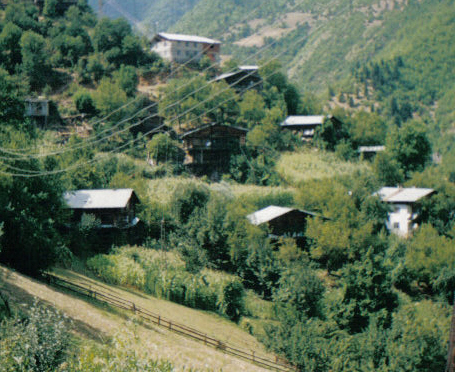 Village / settlement
Chihori
ჩიხორი · ÇukurköyOpen page Village / settlementChikhiskhevi
ჩიხისხევიOpen page Photograph to be addedVillage / settlementChikhvta
ჩიხვთაOpen page Photograph to be added Village / settlement
Daba
დაბა · DemirciOpen page Village / settlement
Dasamobi
დასამობი · DereiçiOpen page Village / settlementDaviteti
დავითეთიOpen page Photograph to be addedVillage / settlementDavlati
დავლათიOpen page Photograph to be addedNeighbourhood / localityDerelari
დერელარიOpen page Photograph to be addedVillage / settlementDidmere
დიდმერეOpen page Photograph to be addedVillage / settlementDidnakhi
დიდნახიOpen page Photograph to be addedVillage / settlementDigieti
დიგიეთიOpen page Photograph to be added Village / settlement
Diyobani
დიობანი · MeydancıkOpen page Neighbourhood / localityDutbeti
დუთბეთი / დუდუბეთიOpen page Photograph to be addedVillage / settlementFarnukhi
ფარნუხიOpen page Photograph to be addedVillage / settlementGamesheti
გამეშეთიOpen page Photograph to be addedVillage / settlementGogieti
გოგიეთიOpen page Photograph to be addedVillage / settlementGomta
გომთაOpen page Photograph to be added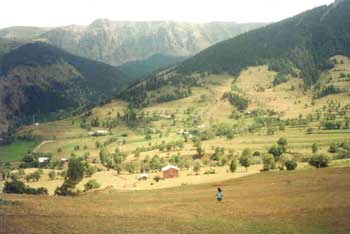 Village / settlement
Ifkhreuli
იფხრეული · TaşköprüOpen page Neighbourhood / localityIshkhnieti
იშხნიეთიOpen page Photograph to be added Village / settlement
Iveti
ივეთი · MısırlıOpen page Regional contextJinali
ჯინალიOpen page Photograph to be addedRegional contextJvarebi
ჯვარებიOpen page Photograph to be added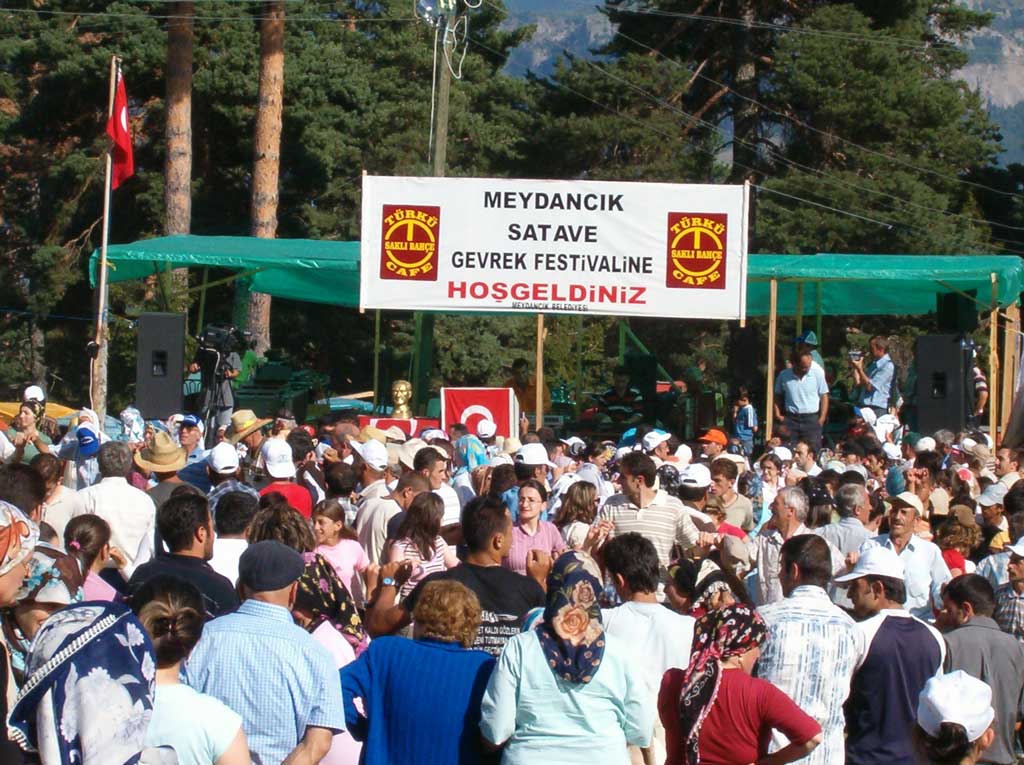 Village / settlement
Jvariskhevi
ჯვარისხევი · SebzeliOpen page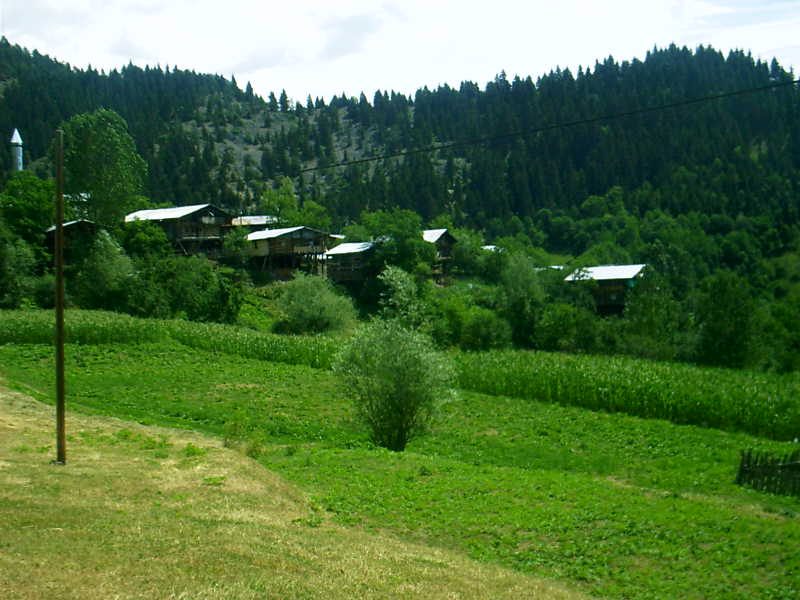 Village / settlement
Khevtsvrili
ხევწვრილი · ÇağlayanOpen page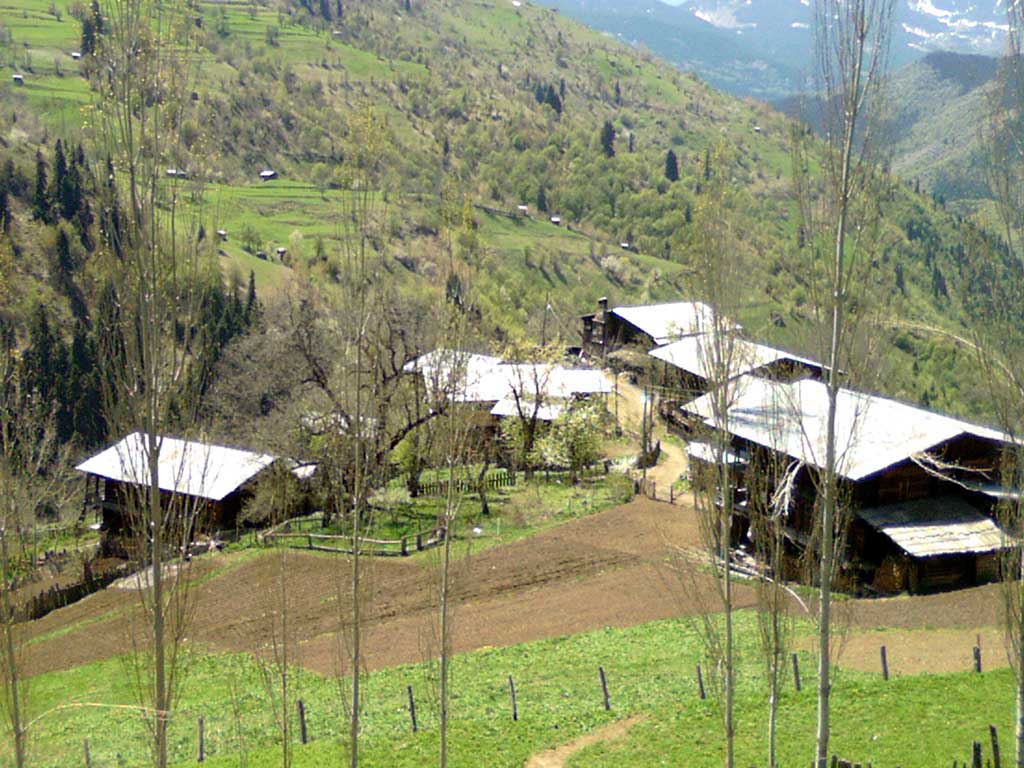 Village / settlement
Khokhlevi
ხოხლევი · ÇağlıpınarOpen page Neighbourhood / localityKhozabari
ხოზაბარიOpen page Photograph to be addedNeighbourhood / localityKokbereti
კოკბერეთი / კოკვერეთიOpen page Photograph to be addedVillage / settlementKoklieti
ქოქლიეთიOpen page Photograph to be addedNeighbourhood / localityKorienti
ქორიენტიOpen page Photograph to be addedVillage / settlementKutaleti
ქუთალეთი / ქუთალიძეOpen page Photograph to be addedRegional contextKvirala
ყვირალაOpen page Photograph to be addedVillage / settlementLibani
ლიბანიOpen page Photograph to be addedVillage / settlementMachkhateti
მაჩხატეთიOpen page Photograph to be addedNeighbourhood / localityMamlieti
მამლიეთიOpen page Photograph to be added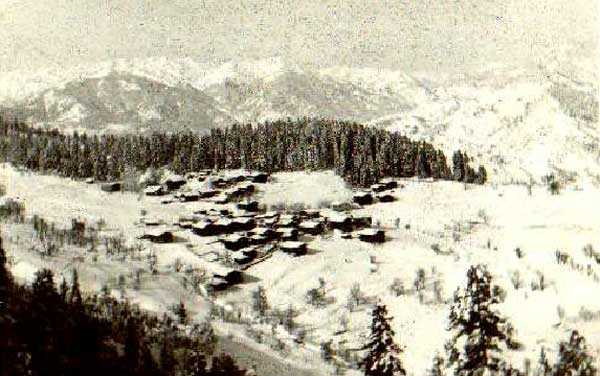 Village / settlement
Manatba
მანატბა · YeşilceOpen page Regional contextMikeleti
მიქელეთიOpen page Photograph to be addedNeighbourhood / localityMoklieti
მოკლიეთიOpen page Photograph to be addedVillage / settlementNioleti
ნიოლეთიOpen page Photograph to be addedHistorical componentOkheti
ოხეთიOpen page Photograph to be addedVillage / settlementOtklde
ოთხკლდე / ოთხკილდეOpen page Photograph to be addedRegional contextParekhli
პარეხლი / პალეხლიOpen page Photograph to be addedVillage / settlementPhikiuri
ფხიკიურიOpen page Photograph to be addedNeighbourhood / localitySamtskari
სამწყარიOpen page Photograph to be addedVillage / settlementSharabuli
შარაბულიOpen page Photograph to be addedVillage / settlementShertuli
შერთულიOpen page Photograph to be addedVillage / settlementSholtiskhevi
შოლტისხევიOpen page Photograph to be addedVillage / settlementSinkoti
სინკოთიOpen page Photograph to be added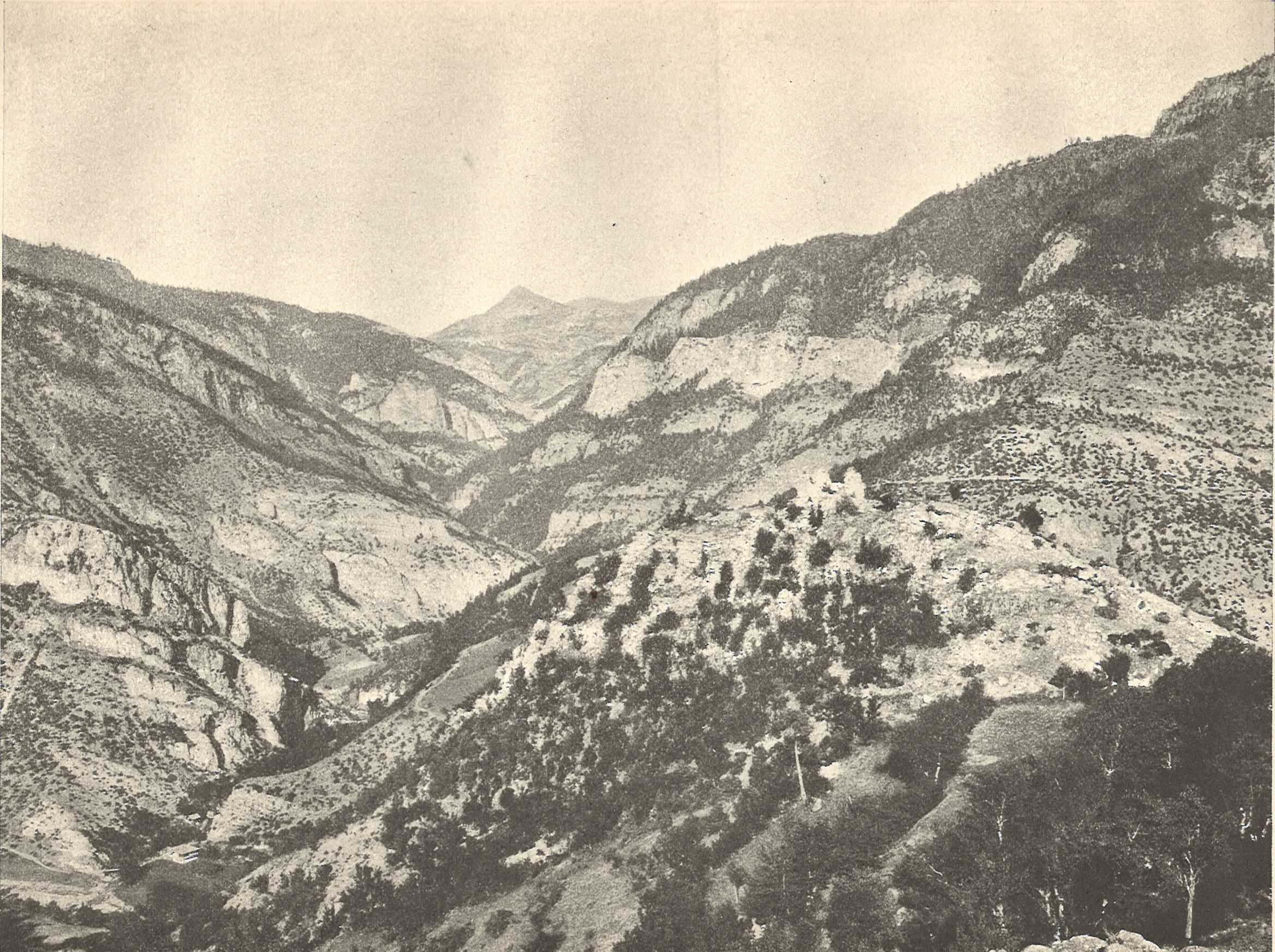 Village / settlement
Surevani
სურევანი / სვირევანი · DutluOpen page Village / settlementTetraketi
თეთრაკეთიOpen page Photograph to be addedVillage / settlementTsetileti
წეთილეთიOpen page Photograph to be added Village / settlement
Tskalsimeri
წყალსიმერი · BalıklıOpen page Village / settlementTskaltbila
წყალთბილაOpen page Photograph to be added Village / settlement
Ube
უბე · ObaOpen page Village / settlementUstamisi
უსტამისიOpen page Photograph to be added Village / settlement
Zakieti
ზაქიეთი · YağlıOpen page Neighbourhood / localityZevzati
ზევზათიOpen page Photograph to be added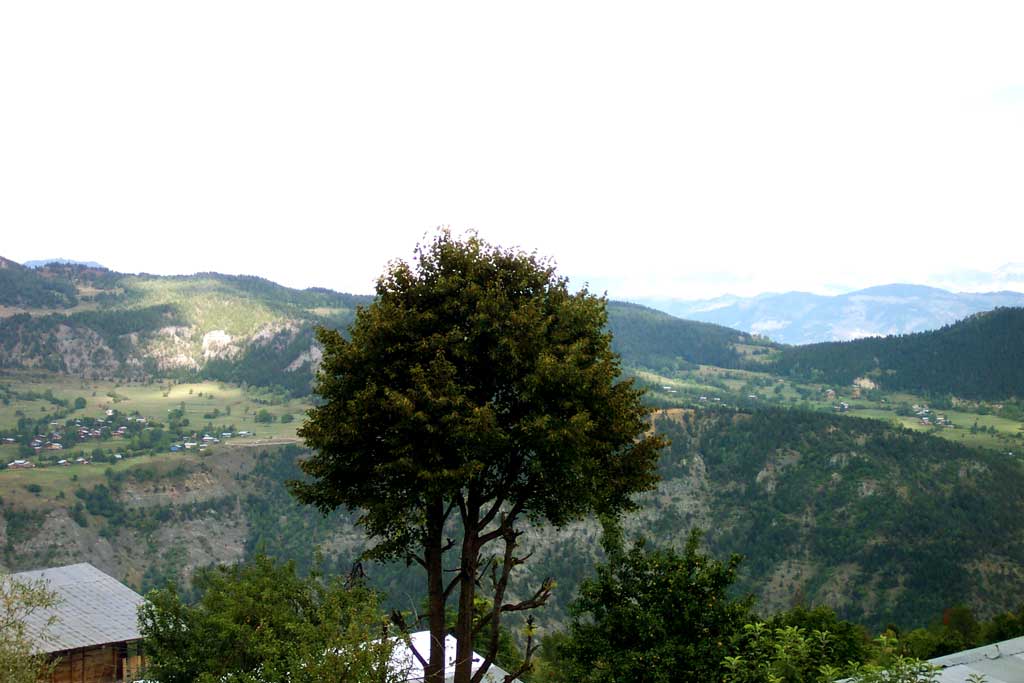 Village / settlement
Ziosi
ზიოსი · TepebaşıOpen page Neighbourhood / localityZubieti
ზუბიეთიOpen page Photograph to be addedNo places match your search.