Villages of Imerkhevi
Tskalsimeri
წყალსიმერი · Balıklı · Şavşat, Artvin
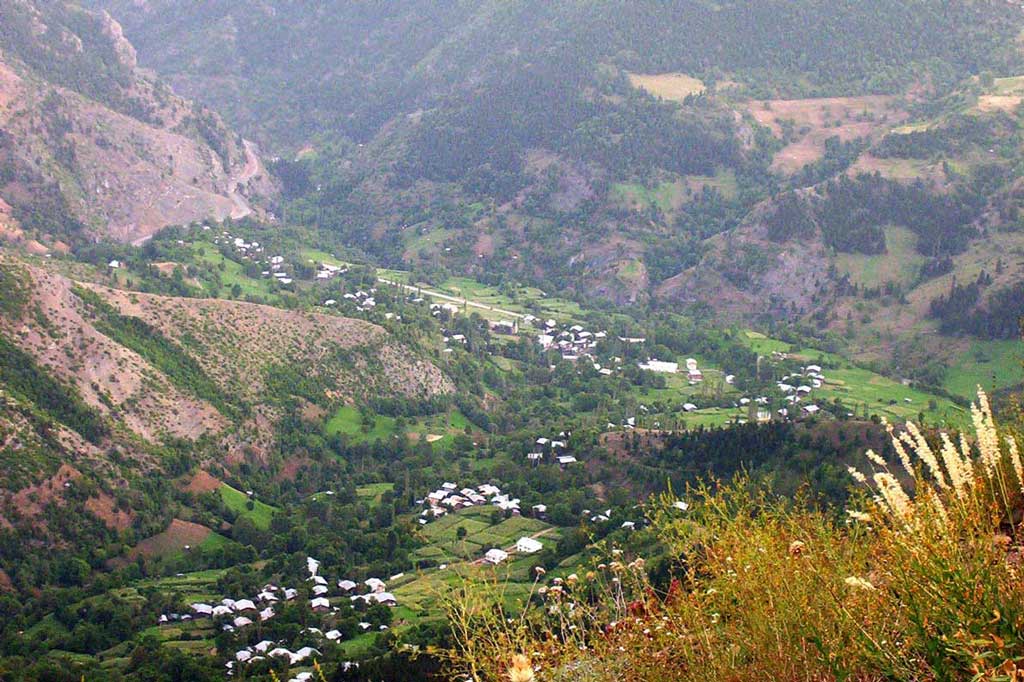
Tskalsimeri, officially Balıklı, appears in the sources as a substantial settlement and a centre of learning in upper Imerkhevi. Its history connects the village centre with Şoltishevi and Bzata, and with families who later settled elsewhere.
Tskalsimeri · წყალსიმერი
Balıklı
113 households · 793 residents
64 records
The village and its name
Tskalsimeri (წყალსიმერი) lies in today’s Şavşat district of Artvin. Its official Turkish name is Balıklı. The community photo archive also uses the form Zağlismer. In the historical place-name study, the Georgian name is explained as the place on the other side of the water, stream or valley.
The extent of the name varies between sources. Some descriptions treat Tskalsimeri, Şoltishevi and Bzata as parts of one larger settlement; elsewhere they are named individually. This matters when comparing population figures, family lists and accounts of everyday life.
Marr’s visit in 1904
On 29 July 1904, Niko Marr left Surevani at eight in the morning and reached Tskalsimeri at eleven, travelling at the pace of a loaded horse. He crossed the Imerkhevi River, passed Tsetileti and climbed towards the village. On arrival he encountered a funeral, with a religious recitation and a gathering of roughly a hundred people.
Marr described a mosque and a madrasa with about a hundred pupils. Although the students were on holiday, he remarked on the number of religious teachers and students in the village. His photograph of a group in Tskalsimeri is an important visual record of that visit.
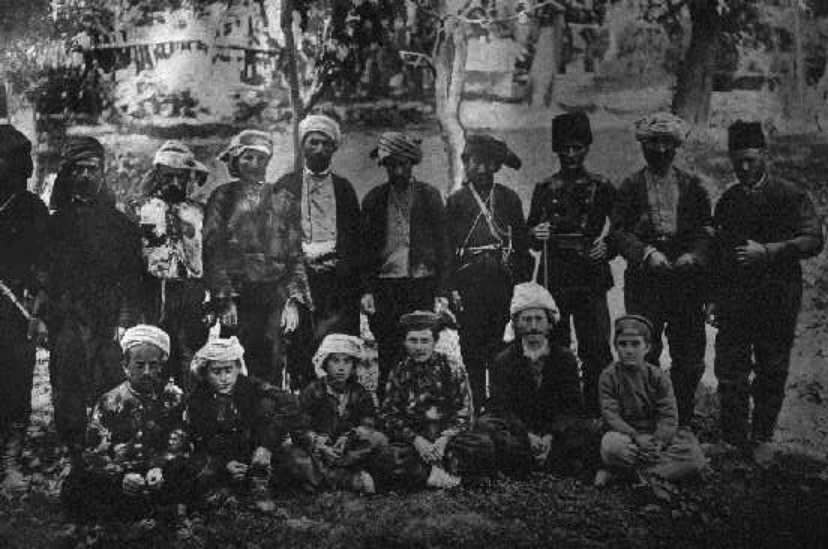
His conversations also concerned land, pasture and administration. Residents complained about the cost of maintaining offices and about losing working time when summoned on official business. Marr related outward migration to economic pressure and to tensions between local people and the Russian administration. These are observations and reported complaints from his visit, rather than a complete account of village life.
Historical population
The Russian-period documents assembled by Roland Topchishvili and Inga Ghutidze record 113 households and 793 residents in 1886. A later entry, which places the village in the Shavsheti–Imerkhevi administrative district in 1910, lists 827 residents.
| Year | Households | Residents | Source description |
|---|---|---|---|
| 1886 | 113 | 793 | Residents classified as Georgian |
| Later entry; village listed in 1910 | — | 827 | Residents described as Muslim Georgians; count year unspecified |
The later entry does not separately state the year in which its population figure was counted. Marr, meanwhile, counted 112 houses across the three-part settlement in 1904. Houses and registered households are different measures, and the territorial coverage should be checked before treating the figures as a continuous population series.
The centre, Şoltishevi and Bzata
Marr divided the settlement into Tskalsimeri itself, Şoltishevi to its east and Bzata to its north. The historical place-name study also records smaller names, including Khilvadze, Khvalienti and Kurdiketi. Paghava and his colleagues preserve further family-based neighbourhood names, among them Babelidze, Basilidze, Bukidze, Zakaridze, Kombadze and Kobidze.
| Neighbourhood in the family document | Records |
|---|---|
| Balıklı (Tzkalsimeri) Köyü Merkezi | 23 |
| Karayiğit (Şoltishevi) | 14 |
| Bzata (Akbıyık) | 27 |
The surname document groups its records under three headings. The table follows those headings, rather than treating every historical name as a separate present-day administrative unit. Bzata is paired with Akbıyık, and Şoltishevi with Karayiğit, in that document.
Family names and connections
The project’s surname collection contains 64 records for this group of settlements: 23 under the Balıklı centre, 14 under Karayiğit / Şoltishevi, and 27 under Bzata / Akbıyık. The table brings together the local family name, Georgian-script transcription, Turkish surname and neighbourhood.
These are source records, not a count of distinct families or households. A name can appear in more than one place, and several Turkish surnames may be associated with a local family name. Georgian-script forms are editorial transcriptions of the document’s Latin spellings. The proposed Kudaşvili and Kudişvili identifications in the Kudiyent entry remain unconfirmed, as the document itself marks them with question marks.
| Local family name | Georgian transcription | Turkish surnames | Neighbourhood | Notes |
|---|---|---|---|---|
| Zakaridze | ზაკარიძე | Ekinci | Bzata (Akbıyık) | — |
| Molliyenti | მოლლიენტი | Gümüş | Bzata (Akbıyık) | — |
| Haciyenti | ჰაჯიენტი | Gümüş | Bzata (Akbıyık) | — |
| Kasliyenti | კასლიენტი | Aral | Bzata (Akbıyık) | — |
| Medoğliyenti | მედოღლიენტი | Aydın | Bzata (Akbıyık) | — |
| Mumiyenti | მუმიენტი | Yıldız | Bzata (Akbıyık) | — |
| Tokatiyenti | ტოკატიენტი | Baba | Bzata (Akbıyık) | — |
| Koraviyenti | კორავიენტი | Gümüş | Bzata (Akbıyık) | — |
| Pilipeti | პილიპეტი | Balcı | Bzata (Akbıyık) | — |
| Karağiyent | კარაღიენტ | Güner | Bzata (Akbıyık) | — |
| Hasuent | ჰასუენტ | Altun | Bzata (Akbıyık) | — |
| Kudiyent | კუდიენტ | Elmas · Almas | Bzata (Akbıyık) | Kudaşvili and Kudişvili are suggested with question marks; neither identification is confirmed in the document. |
| Omariyent | ომარიენტ | Altun | Bzata (Akbıyık) | — |
| Babelidze | ბაბელიძე | Baba | Bzata (Akbıyık) | — |
| Meksutoğlu | მეკსუტოღლუ | Gündüz | Bzata (Akbıyık) | — |
| Şarabadze | შარაბაძე | Dede | Bzata (Akbıyık) | — |
| Edemhociyenti | ედემჰოჯიენტი | Temiz | Bzata (Akbıyık) | — |
| Mazmaniyenti | მაზმანიენტი | Gümüş | Bzata (Akbıyık) | — |
| Zvariyenti | ზვარიენტი | Balcı | Bzata (Akbıyık) | — |
| İdrisoğlu | იდრისოღლუ | Gökçe | Bzata (Akbıyık) | — |
| Guliyenti | გულიენტი | Oral | Bzata (Akbıyık) | — |
| Kakabidze | კაკაბიძე | Temiz | Bzata (Akbıyık) | — |
| Kaloenti | კალოენტი | Yıldız | Bzata (Akbıyık) | — |
| Keyseriyenti | კეისერიენტი | Baba | Bzata (Akbıyık) | — |
| Abduloğlu | აბდულოღლუ | Aydın | Bzata (Akbıyık) | — |
| Duroenti | დუროენტი | Aydın | Bzata (Akbıyık) | — |
| Sisnuyenti | სისნუიენტი / უდრაკოღლუ | Kesen | Bzata (Akbıyık) | — |
| Gorgadze | გორგაძე / ჩაკმაკჩიოღლუ | Çakmakçıoğlu · Yaşar | Balıklı (Tzkalsimeri) Köyü Merkezi | — |
| Bukidze | ბუკიძე | Ocak | Balıklı (Tzkalsimeri) Köyü Merkezi | — |
| — | — | Dalkıran | Balıklı (Tzkalsimeri) Köyü Merkezi | — |
| Muradoğlu | მურადოღლუ | Özdemir | Balıklı (Tzkalsimeri) Köyü Merkezi | — |
| Ahmetağagil | აჰმეტაღაგილ | Bostancı | Balıklı (Tzkalsimeri) Köyü Merkezi | — |
| İzzetoğlu | იზზეტოღლუ | Aydemir | Balıklı (Tzkalsimeri) Köyü Merkezi | — |
| Tataroğlu-Esedoğlu | ტატაროღლუ / ესედოღლუ | Özdemir | Balıklı (Tzkalsimeri) Köyü Merkezi | — |
| Kırolar | კიროლარ | Tanrıverdi | Balıklı (Tzkalsimeri) Köyü Merkezi | — |
| Koçaloğlu | კოჩალოღლუ | Koçak | Balıklı (Tzkalsimeri) Köyü Merkezi | — |
| Titioğlu | ტიტიოღლუ | Uzun | Balıklı (Tzkalsimeri) Köyü Merkezi | — |
| Hatilali | ჰატილალი | Kısa | Balıklı (Tzkalsimeri) Köyü Merkezi | — |
| Kurdoğlu | კურდოღლუ | Kurt | Balıklı (Tzkalsimeri) Köyü Merkezi | — |
| Hacigil | ჰაჯიგილ | Bahçeci | Balıklı (Tzkalsimeri) Köyü Merkezi | — |
| Guliağaiyenti | გულიაღაიენტი | Ağagil · Gül | Balıklı (Tzkalsimeri) Köyü Merkezi | — |
| Kopidze | კოპიძე | Güneş | Balıklı (Tzkalsimeri) Köyü Merkezi | — |
| Kombadze | კომბაძე | Güvercin | Balıklı (Tzkalsimeri) Köyü Merkezi | — |
| Zurabet | ზურაბეტ | Yavuz | Balıklı (Tzkalsimeri) Köyü Merkezi | — |
| Hapizgil | ჰაპიზგილ / ზურაბიძე | Yüksek | Balıklı (Tzkalsimeri) Köyü Merkezi | — |
| Çahligil | ჩაჰლიგილ / ჩაკალოღლუ | Köker | Balıklı (Tzkalsimeri) Köyü Merkezi | — |
| Basilet | ბასილეტ | Gültekin | Balıklı (Tzkalsimeri) Köyü Merkezi | — |
| Dahrigil | დაჰრიგილ | Akyıldız | Balıklı (Tzkalsimeri) Köyü Merkezi | — |
| Hocagil | ჰოჯაგილ | Özkan | Balıklı (Tzkalsimeri) Köyü Merkezi | — |
| Ezzoğlu | ეზზოღლუ / აზიზოღლუ | Çoban | Balıklı (Tzkalsimeri) Köyü Merkezi | — |
| Mikeladze | მიქელაძე | Pehlivan | Karayiğit (Şoltishevi) | — |
| Gorgadze | გორგაძე / ჩაკმაკჩიოღლუ | Çakmakçıoğlu · Yıldırım | Karayiğit (Şoltishevi) | — |
| Ğaziyenti | ღაზიენტი | Şimşek | Karayiğit (Şoltishevi) | — |
| Kurdikidze | ქურდიკიძე | Yılmaz | Karayiğit (Şoltishevi) | — |
| Kurikidze | კურიკიძე | Akgün | Karayiğit (Şoltishevi) | — |
| Hociyenti | ჰოჯიენტი | Yüksek | Karayiğit (Şoltishevi) | — |
| Batineti | ბატინეტი / ბეკიროღლუ | Çelik · Bekiroğlu | Karayiğit (Şoltishevi) | — |
| Tatuventi | ტატუვენტი / ტურკოღლუ | Türkoğlu | Karayiğit (Şoltishevi) | — |
| Tsitsiyenti | ციციენტი | — | Karayiğit (Şoltishevi) | — |
| Durağoğlu | დურაღოღლუ | Demirci | Karayiğit (Şoltishevi) | — |
| İbiloğlu | იბილოღლუ | Erdoğan · Ertokan | Karayiğit (Şoltishevi) | — |
| İpşiroğlu | იპშიროღლუ | Kaya | Karayiğit (Şoltishevi) | — |
| Mollaloğlu | მოლლალოღლუ | Yüksek | Karayiğit (Şoltishevi) | — |
| Karacoğlu | კარაჯოღლუ | Kara | Karayiğit (Şoltishevi) | — |
Swipe across the table on a small screen.
A dash means that the local name was not separately supplied. These are source records, not household counts.
Work, houses and summer grazing
The material in Shushana Putkaradze’s Chveneburebis Qartuli brings the wider Tskalsimeri–Şoltishevi area into view through conversations about work. Speakers describe maize, beans, pumpkins and potatoes, tending cattle, wooden houses and preparations for going up to the summer pastures. One discussion explains that the produce is for the household rather than for sale.
In the same sequence, people point out houses and nearby places as they travel towards Şoltishevi. The account mentions butter being worked in wooden vessels and tools for carrying crops and breaking up soil. It is a record of particular conversations and observations, with local vocabulary still attached to the objects and activities being discussed.
Schooling and Georgian speech
Tskalsimeri’s role as a school centre appears again in Putkaradze’s collection. İsmail Kara, identified in the text as Şavişvili and aged 44, recalls attending primary school there. Children came from Bzata, Şoltishevi, Agara, Tsetileti and Khokhlevi; he remembers the journey from Khokhlevi taking three hours on foot.
His account also describes pressure to use Turkish. Pupils reported classmates who spoke Georgian, and teachers asked families not to speak Georgian at home. He says that he and his wife knew Georgian well but their children scarcely did, and that they sent them to the village in summer hoping they would learn. These are his recollections, published in 1993; the passage does not supply a separate recording date.
Paghava and his colleagues also discuss earlier reports of changing language use in Tskalsimeri. Read together, the sources show that Georgian and Turkish use varied between households, generations and settings. They do not provide a present-day count of speakers.
Learning, music and the photographic record
Religious learning is prominent in Marr’s description of Tskalsimeri. He also reports a resident’s complaint that religious disapproval had restricted music, dancing and singing. A person named Esad had been recommended to him as knowledgeable about songs, but Marr did not obtain the promised interview during this account. The diary therefore preserves both a report of restriction and a reference to someone who knew the repertoire.
This should be read as a dated account of particular encounters, not as a claim that Tskalsimeri has no musical tradition. Marr’s group photograph likewise documents one gathering during his visit. It cannot, by itself, identify every person shown or stand for the entire population. Together with the later recorded voices, it gives the page a human record alongside the registers and family names.
Sources for the text and photographs are collected below. Archive dates are posting dates, not verified capture dates. The 1904 photograph is reproduced from the Georgian edition of Marr’s travel diary.
- Mamia Paghava et al. — Shavsheti (2011)
- Niko Marr — Shavsheti and Klarjeti travel diaries (2015 edition; journey 1904)
- Roland Topchishvili & Inga Ghutidze — Historical place names in Russian documents (2019)
- Shushana Putkaradze — Chveneburebis Qartuli, Book I (1993)
- (Hakan) Gaffar YILMAZ / Temur KATAMADZE — Georgian villages and family lineages in Turkey, update 8 (2026)
- Şavşat community archive — Sxalsimer / Balıklı
Photo credits
- Tskalsimeri, captioned Zağlismer in the archive — Tskalsimeri, captioned Zağlismer in the archive. Contributor: Mehmet Akyıldız; posted 2 October 2004.
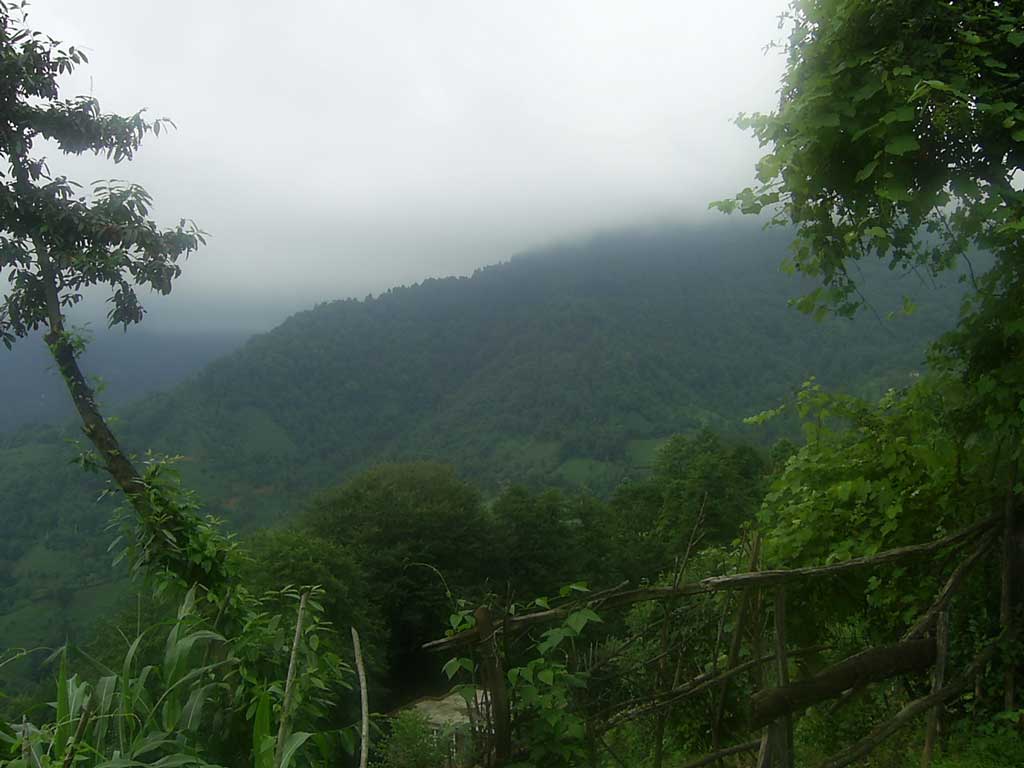
- The village landscape, captioned Zağlismer — The village landscape, captioned Zağlismer. Contributor: Mehmet Akyıldız; posted 29 November 2010.
- A historic group portrait in Tskalsimeri — A group photographed in Tskalsimeri during Marr’s 1904 journey. Reproduced from the 2015 Georgian edition, captioned “A group of Imerkhevians in Tskalsimeri”.
A living archive. An ongoing conversation.
Documenting Imerkhevi through language, places, songs and shared memories.
Created by Ömer Faruk Bülbül · Sources & image credits