Villages of Imerkhevi
Khevtsvrili
ხევწვრილი · Çağlayan · Şavşat, Artvin
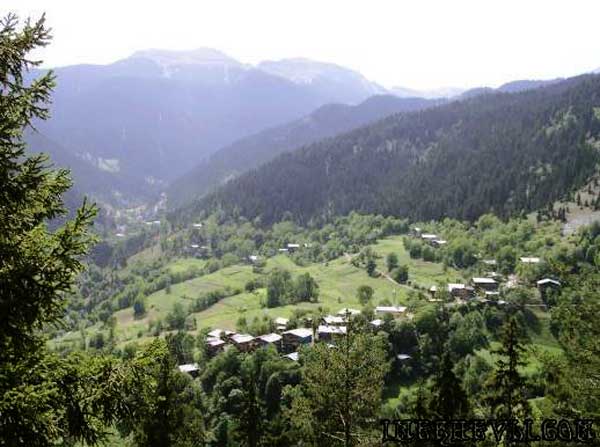
Khevtsvrili, officially Çağlayan, occupies a narrow part of the Badzgireti valley. Its fortress, neighbourhoods and recorded family histories connect the village with routes through Imerkhevi and with communities much farther away.
Khevtsvrili · ხევწვრილი
Çağlayan
33 households · 216 residents
28 records
The village and its name
Khevtsvrili (ხევწვრილი) lies in Imerkhevi, in today’s Şavşat district of Artvin. Its official Turkish name is Çağlayan. Georgian sources also use shortened forms such as Khevruli; the community photograph archive uses Hevsrul. These spellings refer to the same village in the sources brought together here.
Topchishvili and Ghutidze explain the historical name as a village established in a narrow gorge. The architectural chapters of Shavsheti make a similar connection with the deeply cut, constricted valley around the fortress. The name is therefore closely tied to the character of the terrain, rather than to a family lineage.
The valley and its historical connections
The route described in Shavsheti begins at the meeting of the Imerkhevi and Badzgireti rivers and passes through Ube, Daba, Khevtsvrili, Badzgireti and Gamesheti before reaching the high pastures around Sazgireli. Khevtsvrili’s fortress overlooked this passage. Its position helps explain the village’s place in a landscape where paths, grazing grounds and river crossings mattered to everyday movement.
Niko Marr’s 1904 diary also preserves information supplied by a person from Khevtsvrili. In his account of Imerkhevian weddings, this informant described the intermediary called an elchi, the wedding party or maqari, the exchange of clothing and the accompanying music and dancing. Marr compares these statements with accounts from other villages. This is testimony from a Khevtsvrili speaker about regional customs, rather than a description of a wedding Marr personally attended in the village.
Historical population
The Russian-period records assembled by Roland Topchishvili and Inga Ghutidze provide two dated population figures for Khevtsvrili.
| Year | Households | Residents | Source description |
|---|---|---|---|
| 1886 | 33 | 216 | Residents classified as Georgian |
| 1907 | — | 321 | Residents described as Muslim Georgians |
The 1886 record gives 33 households and 216 residents, all classified as Georgian. The 1907 entry records 321 residents described as Muslim Georgians. These are the historical sources’ categories and totals, not a statement about the village’s present population.
Neighbourhoods of Khevtsvrili
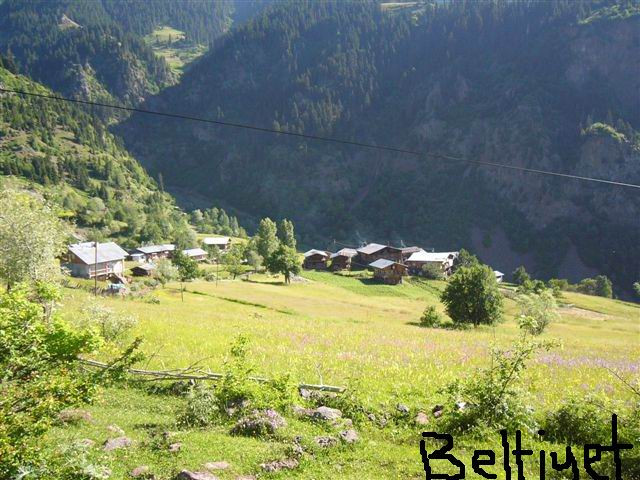
The historical place-name study lists Abramieti, Beltieti, Revazidze, Megrelebi, Mikelkmadze and Jimukhebi. Later family collections preserve related names in forms such as Abramienti, Revazienti, Megrelienti, Mikelkmienti and Cimuhienti.
| Neighbourhood in the family document | Records |
|---|---|
| Mikelkmienti | 3 |
| Abramienti | 2 |
| Megrelienti | 2 |
| Revazienti | 3 |
| Cami | 8 |
| Cimuhienti | 2 |
| Goçienti | 4 |
| Beltieti | 4 |
The table follows the eight neighbourhood headings in the project’s surname document. Keeping those headings makes it possible to follow the family records without silently standardising every difference between sources. Cami designates the mosque quarter; Beltieti is also written Beltiyet in the local photo archive.
Family names and migration
The surname collection contains 28 Khevtsvrili records. Local family names, Georgian-script transcriptions, Turkish surnames and neighbourhoods are shown together below. A family may have several surnames or appear in more than one neighbourhood, so the number is a count of records rather than of distinct families or households.
The notes give the list much of its historical value. They describe connections with Macahel, other Imerkhevi villages, Bursa, İzmir, Niksar and several other places. For example, the Palazientiler entry records a migration to Sorhun in Niksar during the war of 1877–78. The Todnienti entry links Bülbül branches with Sirasinkot / Çayağzı and Sorhun. These connections belong to the families specified in the document; a shared modern surname does not establish that every bearer has the same ancestry.
The Georgian-script forms are editorial transcriptions of the document’s Latin spellings. Uncertain proposals remain uncertain, and blanks have not been filled from resemblance alone. The full explorer provides village and neighbourhood filters as well as name search.
| Local family name | Georgian transcription | Turkish surnames | Neighbourhood | Notes |
|---|---|---|---|---|
| Kırtolar | კირტოლარ / ზაბიტოღლუ | Yıldırım | Mikelkmienti | Members of this family also live in İzmir. |
| Çençalar | ჩენჩალარ / კოპეროღლუ | Gümüş | Mikelkmienti | Some members of this family live in Bursa’s Arabayatağı neighbourhood. |
| Gamreklienti-Gamreklidze | გამრეკლიენტი / გამრეკლიძე / ბორვიენტი | Yıldız | Mikelkmienti | — |
| Pukşalar | პუკშალარ / მალაკმაძე | Sevinç · Şahin · Gül · Gündoğdu | Abramienti | The family is described as having come to Abramienti from Camili/Hertvisi in Macahel through marriage. The Sevinç branch also lives in Çanakkale. |
| Gamreklienti-Gamreklidze | გამრეკლიენტი / გამრეკლიძე / კასაჰალარ | Oral | Abramienti | — |
| Pukşalar | პუკშალარ / მალაკმაძე | Alkan | Megrelienti | — |
| Megreller | მეგრელლერ | Kaya | Megrelienti | — |
| Odientiler-Bekmazalar | ოდიენტილერ / ბეკმაზალარ / სოლკაძე | Aydın | Revazienti | A branch in Taşköprü/Ifkhreuli is recorded under the name Solkadze. |
| Palazientiler | პალაზიენტილერ | Yılmazlar · Tuncer | Revazienti | The Yılmazlar branch is also recorded in Dasamobi and Chihori, including Tetraketi. A Tuncer branch lives in Ziosi. Some members migrated to Sorhun, Niksar during the war of 1877–78. |
| Gamreklienti-Gamreklidze | გამრეკლიენტი / გამრეკლიძე / ტუტიენტი / პატაჯუვენტი / იუნუსოღულლარი | Temur · Aytekin | Revazienti | — |
| Pukşalar | პუკშალარ / მალაკმაძე | Alkan | Cami | Members of this family also live in Artvin. |
| Gağmientiler-Şavşientiler | გაღმიენტილერ / შავშიენტილერ | Demiral | Cami | The family is described as coming from the Sakienti of Zakiyet. Talaha, meaning mud, is recorded as a nickname. Family members also live in Niksar. |
| Sesğlazientiler-Çaklientiler | სესღლაზიენტილერ / ჩაკლიენტილერ / ცეცხლაძე | Çakal · Atasoy · Hürdoğan | Cami | An origin in Ziosi is recorded. The family is also known as Ateşgil/Tsetskhladze; relatives are said to live in Düzce. |
| Kurdikizeler-Kurduvebi | კურდიკიზელერ / კურდუვები | Akaltun | Cami | The family is described as having come from Şoltishevi/Karayiğit in Tskalsimeri. Relatives live in Görele, Giresun. The note identifies their land in Cami as belonging to the Gorelienti/Bozkurt family who migrated to Sorhun, Niksar. |
| Pançizeler-Pançienti | პანჩიზელერ / პანჩიენტი | Yılmaz | Cami | Branches live in Sorhun, Niksar with the surnames Atlı and Doğan, and in Karavat/Saylıca in Şavşat. |
| Kasahientiler | კასაჰიენტილერ / ნუნიენტილერ / სუმიენტილერ / კასაჰალარ | Uzun · Aydın · Çelik · Kılıç | Cami | Nunientiler are associated with Uzun and Aydın; Sumientiler with Çelik and Kılıç. A Kasaha branch in Paşapınar, Gölköy, Ordu uses Kasap. Other branches are recorded in Niksar and Düzce. |
| Davlienti-Davladzeler | დავლიენტი / დავლაძელერ | Özcan | Cami | — |
| Gamreklienti-Gamreklidze | გამრეკლიენტი / გამრეკლიძე / პაშუვენტი / კასაჰალარ | Yavuz · Oral | Cami | The Yavuz/Paşuventi branch also lives in İstanbul. |
| Pukşalar | პუკშალარ / მალაკმაძე | Bilir | Cimuhienti | Members of this Bilir branch also live in Şartul. |
| Cimuhientiler | ჯიმუჰიენტილერ | Güven · Er | Cimuhienti | Some family members also live in Sorhun, Niksar. |
| Pukşalar | პუკშალარ / მალაკმაძე | Erdem | Goçienti | — |
| Koroğlebi | კოროღლები / კოროღლუ | Köroğlu | Goçienti | A branch lives in Daba’s Devieti neighbourhood; another migrated to Yenidoğan in Kocaeli. |
| Didgoçientiler | დიდგოჩიენტილერ / კუდები / კუდიენტი / კუდა | Tekin · Saraç | Goçienti | The family is also called Kudebi/Kudienti/Kuda, a nickname connected with the Georgian word for tail. Kudaşvili and Kudişvili are only suggestions marked with question marks. A branch lives in Sorhun, Niksar. |
| Gamreklienti-Gamreklidze | გამრეკლიენტი / გამრეკლიძე / ზაზალიენტი / ჩაჩიალარ | Yiğit | Goçienti | — |
| Pukşalar | პუკშალარ / მალაკმაძე | Bilir | Beltieti | — |
| Davlienti-Davladzeler | დავლიენტი / დავლაძელერ | Özkan · Yazıcı · Özcan | Beltieti | Özkan branches are recorded in Aglaha/Ahlat and Erbaa, Tokat. A Yazıcı branch also lives in Surevani’s Parnuhi neighbourhood. |
| Todnienti-Todnadzeler | ტოდნიენტი / ტოდნაძელერ | Bülbül · Ekinci | Beltieti | The Bülbül branch is also recorded in Sirasinkot/Çayağzı and Sorhun, Niksar. An Ekinci branch in Zakiyet uses Alkan. |
| Gamreklienti-Gamreklidze | გამრეკლიენტი / გამრეკლიძე / პაშუვენტი / ზაზალიენტი / ბორვიენტი / ჩაჩიალარ / კასაჰალარ | Süner · Yavuz · Yiğit · Yıldız · Oral | Beltieti | Süner relatives also live in Bursa; Yavuz/Paşuventi in İstanbul; Yiğit/Zazalienti/Çaçialar in Bursa’s Çekirge neighbourhood and Sorhun, Niksar. |
Swipe across the table on a small screen.
A dash means that the local name was not separately supplied. These are source records, not household counts.
Households, work and the summer pastures
Shavsheti describes Suriye Yılmaz’s three-storey house in Khevtsvrili as a shared-family dwelling in which brothers and cousins had formerly lived together. At the time of the survey it was described as about two hundred years old. It had six fireplaces, two of them then in use, as well as several guest rooms.
The account is useful because it describes a particular household rather than an abstract village house. Its gathering room, hearths and accommodation reflect the practical needs of a large family. The age is the researchers’ reported estimate at the time of fieldwork, not a precisely established construction date.
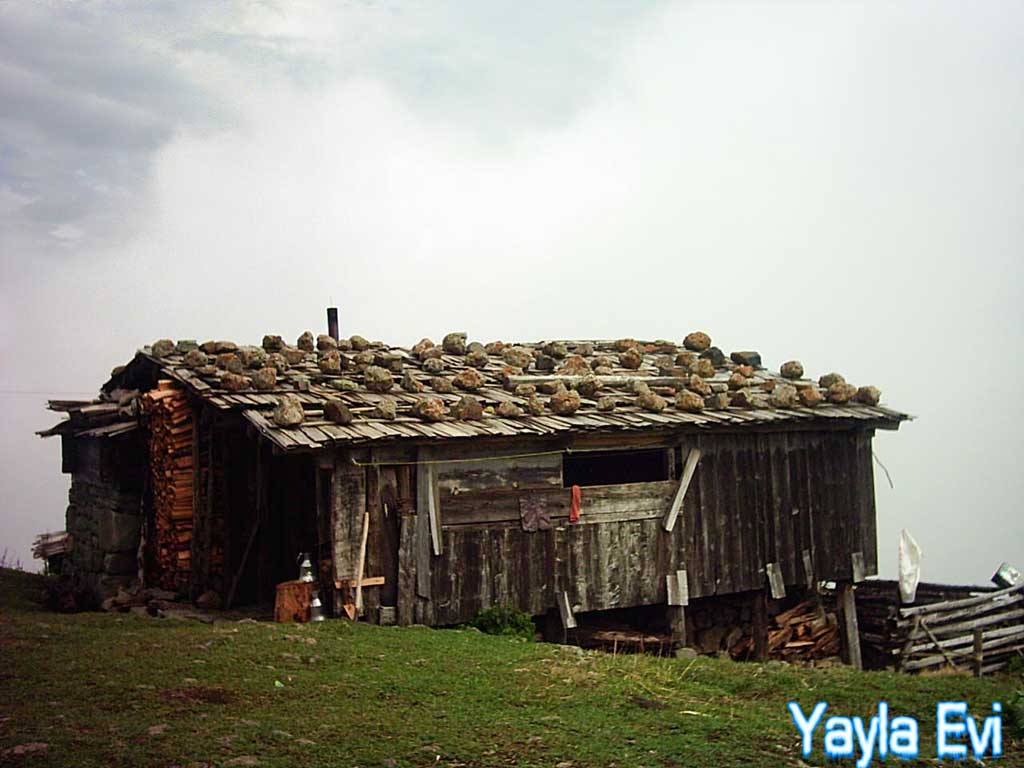
The high pastures are another part of the village’s setting. The valley route described by the architectural survey leads towards Sazgireli, where several villages had summer grazing grounds. The community archive’s photograph of a yayla house shows a different kind of dwelling from the large village house described in the book.
Local Georgian speech
Khevtsvrili is included among the Georgian-speaking settlements in Paghava and his colleagues’ survey. Its speech appears both in linguistic examples and in the words of named folklore contributors, allowing the village to be approached through recorded language as well as through buildings and family lists.
Even the village name illustrates a linguistic point. The book discusses shortened local forms alongside ხევწვრილი, tracing changes in the consonants and vowels of the name. Such variation is worth preserving when making historical records searchable: the form a speaker uses may differ from the spelling on a modern village list.
Songs and remembered events
One of the village’s named contributors is Nigar Oral, aged 45, recorded by Tina Shioshvili in Khevtsvrili on 9 August 2009. The book includes her among the speakers who knew the verse-song expressing longing for Badzgireti. Related versions were recorded in other villages and adapted to different home places, showing how a song could travel while retaining a local attachment.
Nigar also spoke about a fire in Beltieti and sang a verse expressing her distress at the loss. Here the neighbourhood is more than a name in a table: it becomes the subject of a remembered event carried in song. The source does not give a verified date for the fire, so the date of the recording should not be mistaken for the date of the event.
The same collection credits Gamze Tanrıverdi with a love verse recorded in Khevtsvrili in 2005. Together with the wedding testimony in Marr’s diary, these records show several settings for oral expression: courtship, communal celebration, homesickness and grief over a local place. They do not establish that every item originated exclusively in the village.
The fortress and other remains
The 2015 Tao-Klarjeti expedition located the fortress on a rocky promontory about one kilometre west of Çağlayan, on the left bank of the Badzgireti River. It recorded massive mortared walls and other fragments. The larger architectural study in Shavsheti explains how the fortress follows the shape of the rock, with stronger protection where a narrow neck gives access from the ridge.
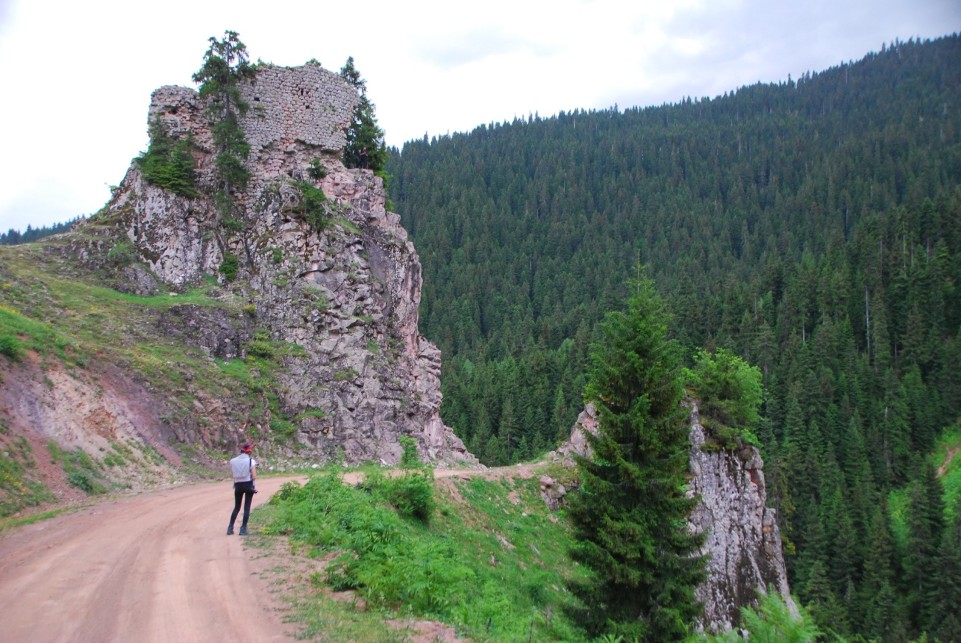
That study proposes a ninth- to tenth-century date for the principal construction on the basis of its masonry, while recognising later repairs and reuse. This is an architectural interpretation, not an inscription-based date. The fortress is also considered in relation to Chakvelta and other strongholds controlling movement through Imerkhevi.
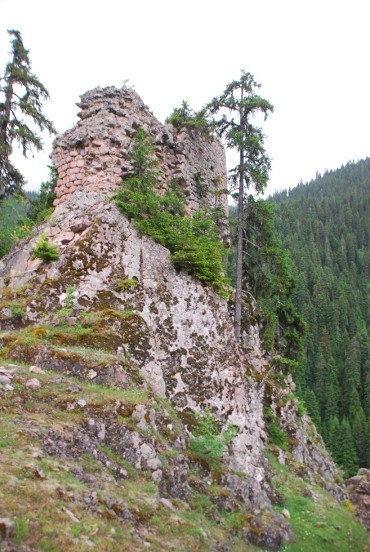
The expedition recorded a separate possible tower on a rocky pillar near the confluence of the Zakiyet and Badzgireti streams, about one kilometre from the fortress. It also noted local reports of former churches in Beltieti and at the mosque site. No church fabric was then visible at the Beltieti location; a carved fireplace stone was recorded in the mosque courtyard. Reported church sites, the fortress and the possible tower are distinct pieces of evidence.
Text and photograph sources are collected below. Community archive dates are posting dates, not verified capture dates. Georgian-script family forms are editorial transcriptions of the surname document.
- Mamia Paghava et al. — Shavsheti (2011)
- Niko Marr — Shavsheti and Klarjeti travel diaries (2015 edition; journey 1904)
- Roland Topchishvili & Inga Ghutidze — Historical place names in Russian documents (2019)
- Teimuraz Khutsishvili et al. — Tao-Klarjeti 2015 expedition reports (2016)
- (Hakan) Gaffar YILMAZ / Temur KATAMADZE — Georgian villages and family lineages in Turkey, update 8 (2026)
- Şavşat community archive — Hevsrul / Çağlayan
Photo credits
- Çağlayan / Khevtsvrili — Çağlayan / Khevtsvrili. Contributor: Galip Aydın; posted 8 March 2006. The original caption includes “2005”.
- Beltieti neighbourhood, captioned Beltiyet Mahallesi — Beltieti neighbourhood, captioned Beltiyet Mahallesi. Contributor: Galip Aydın; posted 20 January 2005.
- A yayla house in the village photo collection — A yayla house in the village photo collection. Contributor: Galip Aydın; posted 4 October 2005. This is not identified as Suriye Yılmaz’s house.
- Khevtsvrili fortress on its rocky site — Khevtsvrili fortress on its rocky site. Khutsishvili et al., 2015 expedition report, published 2016.
- A closer view of the fortress masonry — A closer view of the fortress masonry. From the same 2015 expedition report; individual photographer not separately identified.
A living archive. An ongoing conversation.
Documenting Imerkhevi through language, places, songs and shared memories.
Created by Ömer Faruk Bülbül · Sources & image credits