Villages of Imerkhevi
Surevani
სურევანი · Dutlu · Şavşat, Artvin
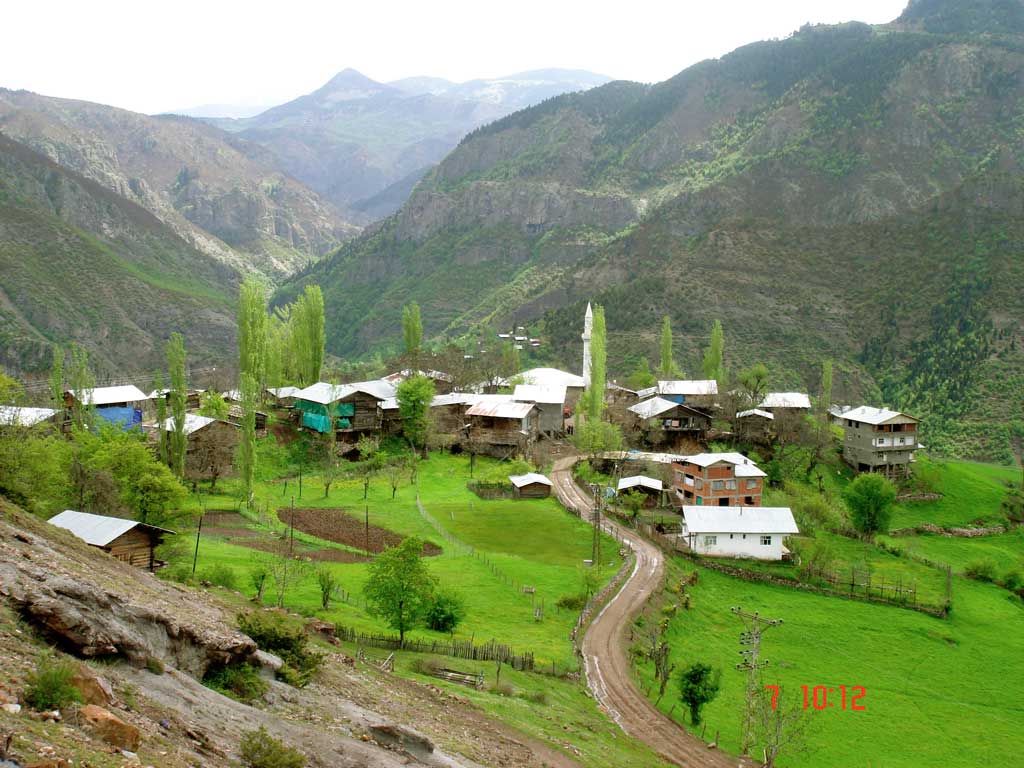
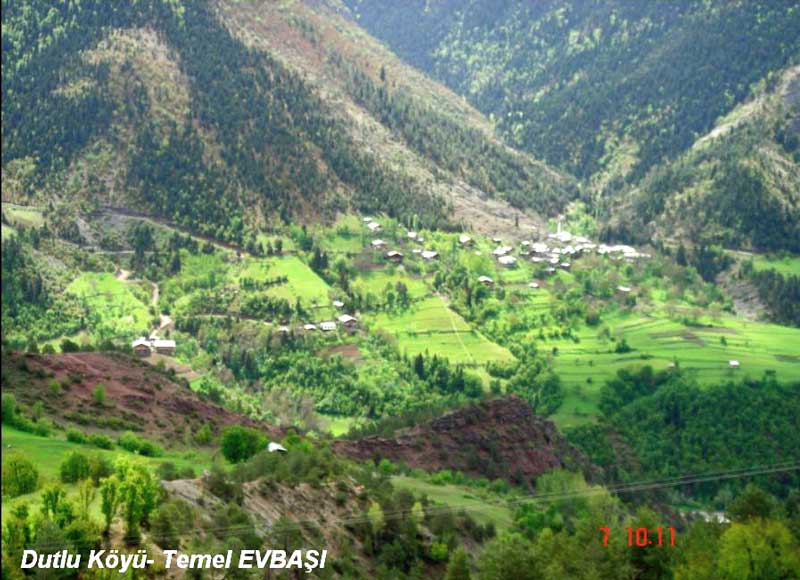
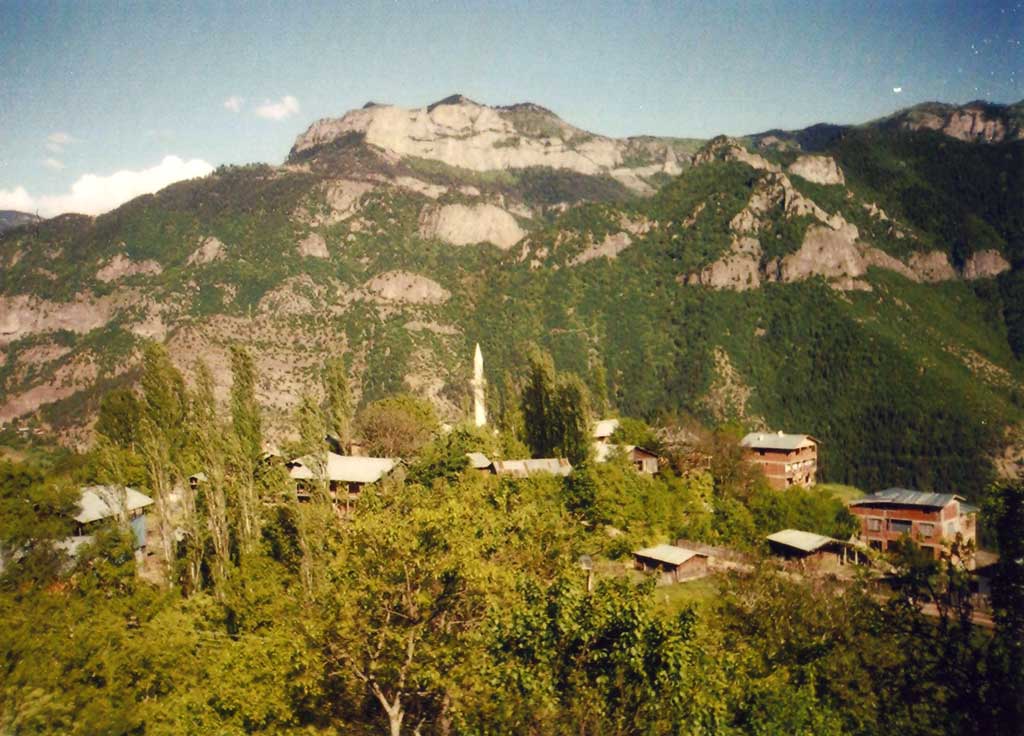
Surevani, officially Dutlu, has served as both a village and a centre for surrounding settlements. Its history is documented in Marr’s journeys, population registers, house surveys and the words of local speakers.
Surevani · სურევანი
Dutlu
72 households · 453 residents
45 records
The village and its name
Surevani (სურევანი), also written Svirevani (სვირევანი), lies in Imerkhevi, in today’s Şavşat district of Artvin. Dutlu is its official Turkish name. The different spellings are useful to keep in mind when looking through old maps, Georgian publications and local photograph collections.
A single name does not always describe the same area in every source. In 1904 Niko Marr described Surevani as the centre of a group of six neighbourhoods, some of which are now treated as separate villages. His account therefore needs to be read with the historical extent of the settlement in mind. The sources used here do not establish the origin of the name Surevani.
Marr’s visit in 1904
Marr arrived in upper Surevani at 8:20 in the evening, after crossing the Imerkhevi River and passing through the lower settlement almost in darkness. His guide Gaspar had to feel his way along the road. Down below, Marr had heard women speaking Georgian; he heard it again at the village administration building where the party stopped.
Approaching the village, he had noticed a ruined church high on a steep rock above the river. On 27 July he went down to photograph it from the opposite side. Passing through Kutaleti, he also examined an old vaulted spring structure, then supplied with a wooden water spout. His notes move between buildings, place names and conversations, leaving a detailed picture of the settlement at the beginning of the twentieth century.
The visit also records a practical concern of village life. A bear had damaged a maize field near the administration building. Marr describes a water-powered wooden device called a datvouli: water repeatedly tips a balanced timber so that its hammer strikes a board. Its purpose was to make a continuing noise to frighten bears away from the crops.
Historical population
The Russian-period material assembled by Roland Topchishvili and Inga Ghutidze records 72 households and 453 residents in 1886. A later entry gives 584 residents in 1907.
| Year | Households | Residents | Source description |
|---|---|---|---|
| 1886 | 72 | 453 | Residents classified as Georgian |
| 1907 | — | 584 | Residents described as Muslim Georgians |
The sources classify the 1886 residents as Georgian and the 1907 residents as Muslim Georgians. These are historical recording categories. Marr’s separate figure of fifteen houses concerns the central settlement in his description, rather than the entire group of neighbourhoods, so it should not be read as a direct contradiction of the population register.
Neighbourhoods and surrounding settlements
Marr’s six-part description comprises the centre of Surevani, Daviteti, Parnukhi, Kutaleti, Jvariskhevi and Chakvelta. He places Daviteti and Parnukhi higher in the mountains to the west, Kutaleti lower down towards the river crossing, and Jvariskhevi and Chakvelta across the river. It is a description of the settlement network he encountered, not a list of present-day administrative boundaries.
| Heading in the family document | Local name | Records |
|---|---|---|
| Merkez | Centre | 13 |
| Kutaleti (Gürsoy) | Kutaleti | 10 |
| Dğvabiyeti | Dğvabiyeti | 3 |
| Daviteti (Yağmurlu) | Daviteti | 12 |
| Parnuhi (Bağbaşı) | Parnukhi / Parnuhi | 6 |
| Didmere | Didmere | 1 |
The surname document used by this project groups its Surevani entries differently. The table below follows that document, making it possible to move directly from a neighbourhood name to the corresponding family records. Historical sources also preserve such names as Gudalidze and Opizara. Similar forms in separate sources have not been merged automatically.
Family names and connections
The collection contains 45 Surevani records across six neighbourhood headings. The table preserves the local family names, their Georgian-script transcriptions, Turkish surnames and the neighbourhood given in the document. These are records of family connections, not a count of households or unique surnames.
Some entries also describe movement between villages. Tantuenti, associated with Zemin, is recorded as having come from Badzgireti; Mtçedlişvili / Güneş from Gigieti; and Davladze / Yazıcı from Khevtsvrili. The Koriyenti / Turan entry mentions relatives in Georgia under the name Melaşvili. These are the document’s family-history statements. Where it questions a spelling, as with the possible Kora or Kara surname for Laziyenti, the uncertainty is retained.
| Local family name | Georgian transcription | Turkish surnames | Neighbourhood | Notes |
|---|---|---|---|---|
| Tantuenti | ტანტუენტი / ტანტოღლუ | Zemin | Merkez | An origin in Badzgireti is recorded for this family. |
| Donmebi | დონმები | Akyıldız | Merkez | — |
| Laziyenti | ლაზიენტი | — | Merkez | The Turkish surname is uncertain: the document asks whether it is Kora or Kara. |
| Susaniyenti | სუსანიენტი | Susan | Merkez | — |
| Aslaniyenti | ასლანიენტი | Aslan | Merkez | — |
| Putskhebi | პუცხები | Kurt | Merkez | — |
| Şariyenti | შარიენტი / შარაძე | Bilgin | Merkez | — |
| Petriyenti | პეტრიენტი / პეტროღლუ | Işık · Duran | Merkez | — |
| İkiyenti | იკიენტი | Evbaş | Merkez | — |
| Puta-Bukiyenti | პუტა / ბუკიენტი | Tezcan | Merkez | The family is described as having come from Taşköprü/Ifkhreuli. |
| Murukienti | მურუკიენტი | Güney | Merkez | — |
| Karaliyenti | კარალიენტი | — | Merkez | — |
| Koletaşvilebi | კოლეტაშვილები | — | Merkez | — |
| Butidze | ბუტიძე | — | Dğvabiyeti | — |
| Mosidze | მოსიძე | — | Dğvabiyeti | The family is described as having migrated from Takidzeebi in Shuakhevi. |
| Gateneti | გატენეტი | Özcan | Dğvabiyeti | — |
| Kavtariyenti | კავტარიენტი | — | Kutaleti (Gürsoy) | — |
| Şirvaniyenti | შირვანიენტი | — | Kutaleti (Gürsoy) | — |
| Daçiyenti | დაჩიენტი | — | Kutaleti (Gürsoy) | — |
| — | — | Torun | Kutaleti (Gürsoy) | — |
| — | — | Yalçınkaya | Kutaleti (Gürsoy) | — |
| — | — | Aydın | Kutaleti (Gürsoy) | — |
| Şakiroğlu | შაკიროღლუ | — | Kutaleti (Gürsoy) | — |
| Kavazoğlu | კავაზოღლუ | — | Kutaleti (Gürsoy) | — |
| — | — | — | Kutaleti (Gürsoy) | The spelling is uncertain: the document asks whether the name is Karanoğlu or Kananoğlu. |
| Donmebi | დონმები | Akyıldız | Kutaleti (Gürsoy) | — |
| Mureşadze | მურეშაძე | — | Daviteti (Yağmurlu) | — |
| Şarmatadze | შარმატაძე | — | Daviteti (Yağmurlu) | — |
| Gamreklidze | გამრეკლიძე / ზაზალა | — | Daviteti (Yağmurlu) | — |
| Kosidze | კოსიძე | — | Daviteti (Yağmurlu) | — |
| Elienti | ელიენტი | — | Daviteti (Yağmurlu) | — |
| — | — | Koca | Daviteti (Yağmurlu) | — |
| Şarmatebi | შარმატები | Altun | Daviteti (Yağmurlu) | — |
| Zazala | ზაზალა | Gülçiçek | Daviteti (Yağmurlu) | The family is described as having come from Beltieti. |
| Koriyenti | კორიენტი / მელაშვილი | Turan | Daviteti (Yağmurlu) | Relatives in Georgia are recorded under the name Melaşvili. |
| Kilvaşiyenti | კილვაშიენტი | — | Daviteti (Yağmurlu) | — |
| Muresebi | მურესები | — | Daviteti (Yağmurlu) | — |
| Mtçedlişvili | მჭედლიშვილი | Güneş | Daviteti (Yağmurlu) | An origin in Gigieti is recorded. |
| Çividze-Tçividze | ჩივიძე / ჭივიძე | Dursun · Özdemir · Yazar | Parnuhi (Bağbaşı) | — |
| Kahidze | კახიძე | Çetin · Kaya | Parnuhi (Bağbaşı) | — |
| Gorgvadze | გორგვაძე | Yılmaz | Parnuhi (Bağbaşı) | — |
| Melikadze-Melikişvili | მელიქაძე / მელიკიშვილი | Çelik · Küçük | Parnuhi (Bağbaşı) | — |
| Tçaladze | ჭალაძე | Sevcan | Parnuhi (Bağbaşı) | — |
| Davladze | დავლაძე | Yazıcı | Parnuhi (Bağbaşı) | The family is described as having come from Khevtsvrili/Çağlıyan. |
| Tantuenti | ტანტუენტი / ტანტოღლუ | Zemin | Didmere | An origin in Badzgireti is recorded for this family. |
Swipe across the table on a small screen.
A dash means that the local name was not separately supplied. These are source records, not household counts.
A house, its workspaces and mulberry syrup
Paghava and his colleagues chose Şevket Karaloğli’s house in Surevani’s central Jami-mehele for a detailed architectural study. They describe a three-storey building in which livestock, food storage, family rooms and guest accommodation form parts of the same working household.
The entrance is through a balcony called a tantrafa or tantraba. Inside, the oturma salon is the main family gathering room, linked to bedrooms and storage space. A summer cooking area adjoins the balcony; other spaces provide for washing before prayer, keeping tools and storing hay. The account is specific to this house, while also showing how an Imerkhevian dwelling brings domestic and agricultural work together.
Outside stood the equipment for making betmez, or pekmez. Cooked mulberries were pressed in a woven basket set into a grooved wooden trough. The juice ran along a wooden channel into a pot, where it was boiled for one or two hours; the remaining pulp was fed to livestock. Pears and grapes could also be used. This account gives mulberry processing a concrete place in the village’s household economy.
Georgian speech in Surevani
Marr described Georgian as a language of the home in Surevani, while also noting Turkish words in conversation. His examples include belki, rahat and iştah. The observation concerns the speech he heard in 1904; it is not a measurement of language use today.
House vocabulary offers another connection across the sources. Marr noted ezo for a corridor, and the later house survey discusses the same usage in the organisation of the dwelling. Putkaradze’s Chveneburebis Qartuli also preserves a speaker’s comparison of Surevani forms such as წივიდეთ and წივიღოთ with neighbouring usage. Such remarks show that local speakers themselves noticed differences within Imerkhevi Georgian.
Oral traditions, songs and customs
The folklore chapters of Shavsheti identify several Surevani contributors. Nebie, of the Petroğli family, was 75 when researchers recorded her in 2005. Her material includes a narrative about unspoken love and a verse associated with a person nearing death. The collection also records healing incantations attributed to her, as part of the village’s oral heritage.
Weather customs appear in accounts from Ayşe Kurt and Sevgi Kurt. Ayşe described children carrying a dressed broom from house to house, receiving butter and flour while water was thrown over them as part of a rain-requesting ritual. In 2005, 31-year-old Sevgi supplied a verse asking the sun to appear. Ayşe is also named among the speakers who described turning a hat inside out while reciting a short fog-clearing formula.
Music appears in Marr’s notes too. He mentions the manufacture of the bagpipe called tulumba in Surevani. In his wider account of Imerkhevian weddings, he also notes that musicians could be invited from other settlements when a village lacked its own. These records concern particular observations and remembered practices, rather than a repertoire of songs claimed to originate exclusively in Surevani.
The church and other built remains
The church that Marr studied stood on a rocky height above the right bank of the Imerkhevi River. He noted that its orientation followed the shape of the site, towards the northeast rather than due east. Although already roofless and damaged, it retained enough masonry for him to describe its plan, openings and traces of plaster.
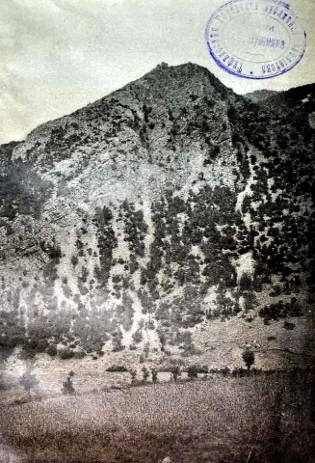
The 2015 Tao-Klarjeti expedition returned to the site. Its report records a small hall church measuring about 8.4 by 5 metres, with the plan still legible and part of the eastern wall surviving to roughly two metres at the northeast corner. Large, roughly worked stones and mortar remain visible. The historic photograph and the later survey image below document the site at different stages.
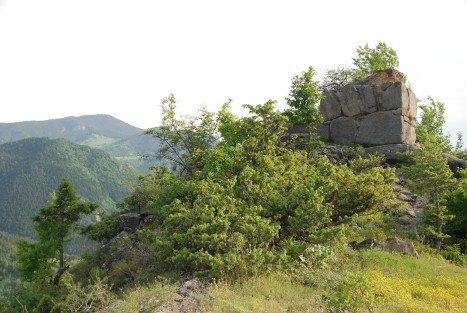
The same expedition recorded a partly underground masonry structure in the northern part of the village, with a plastered rectangular depression inside. In the Parnukhi / Farukhi neighbourhood it also found church remains, building stones and small fallen fragments of wall painting. These are separate places; they should not be confused with the hilltop church photographed by Marr.
Sources for the text and images are collected here. Community archive dates are dates of posting, not verified dates of photography. Georgian-script family forms are editorial transcriptions of the surname document.
- Mamia Paghava et al. — Shavsheti (2011)
- Niko Marr — Shavsheti and Klarjeti travel diaries (2015 edition; journey 1904)
- Roland Topchishvili & Inga Ghutidze — Historical place names in Russian documents (2019)
- Teimuraz Khutsishvili et al. — Tao-Klarjeti 2015 expedition reports (2016)
- (Hakan) Gaffar YILMAZ / Temur KATAMADZE — Georgian villages and family lineages in Turkey, update 8 (2026)
- Şavşat community archive — Svirevan / Dutlu / Surevan
- Shushana Putkaradze — Chveneburebis Qartuli, Book I (1993)
Photo credits
- Surevani — Surevani. Archive contributor: Şentürk Akyıldız; posted 2 July 2006.
- A view of Surevani — A view of Surevani. Archive contributor: Şentürk Akyıldız; posted 19 June 2006.
- Dutlu — Dutlu. Archive contributor: Yavuz Öncel; posted 7 April 2006.
- Historic view of the church above the river — The church above the river, from Marr’s 1904 expedition material, reproduced in the 2016 Tao-Klarjeti report. Individual photographer not separately identified in that report.
- Remains of Surevani church — Surevani church remains documented by the 2015 expedition. Khutsishvili et al., published 2016.
A living archive. An ongoing conversation.
Documenting Imerkhevi through language, places, songs and shared memories.
Created by Ömer Faruk Bülbül · Sources & image credits