IMERKHEVI · VILLAGE ARCHIVE
Iveti / Mısırlı
ივეთი · Ivieti · İveti
A river village of summer pastures, orchard knowledge and Georgian conversation, remembered through its residents and the fieldworkers who listened to them.
Imerkhevi · Şavşat · Artvin
Mısırlı
Ifkhreuli / Taşköprü
1 August 2005
Iveti, Ivieti and Mısırlı
Iveti (ივეთი) is a mountain village in the Imerkhevi valley of Şavşat, Artvin. Its older Georgian name remains prominent in local memory alongside the Turkish name Mısırlı. The linguistic study in Shavsheti explains Mısırlı through Turkish mısır, “maize”, placing it among the region’s names drawn from cultivated plants. The historical form Ivieti appears in Niko Marr’s travel diary. [1, pp. 172–173] [4, p. 327]
During his 1904 journey, Marr described Imnadze by the bridge, Ifkhreuli higher up and Ivieti farther away as three quarters of the settlement he called Imkhreuli. That older grouping also matters when reading population records. The 2019 study of Russian documents lists Iveti within Ifkhrevli / Taşköprü, whose 1886 entry counted 95 households and 635 inhabitants, recorded as Georgian. Those totals belong to the wider Ifkhrevli entry, not to Iveti alone. [1] [2, pp. 14, 123]
Later fieldwork gives Iveti a distinct voice. On 1 August 2005, Mamia Paghava’s expedition stopped here before continuing to Ifkhreuli. Villagers gathered in the centre, welcomed the visitors with tea and helped them record speech, photographs and local knowledge. His itinerary put Iveti about 39 kilometres from Şavşat. [3, pp. 88–89]
The river, bridge and mountain connections
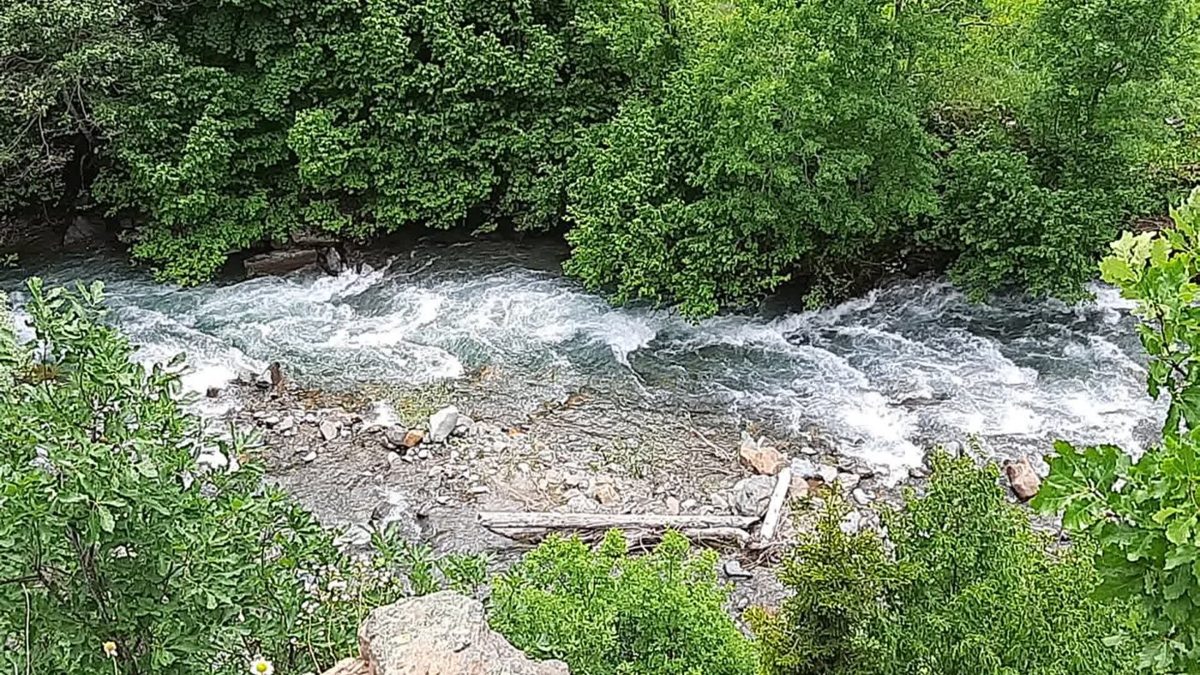
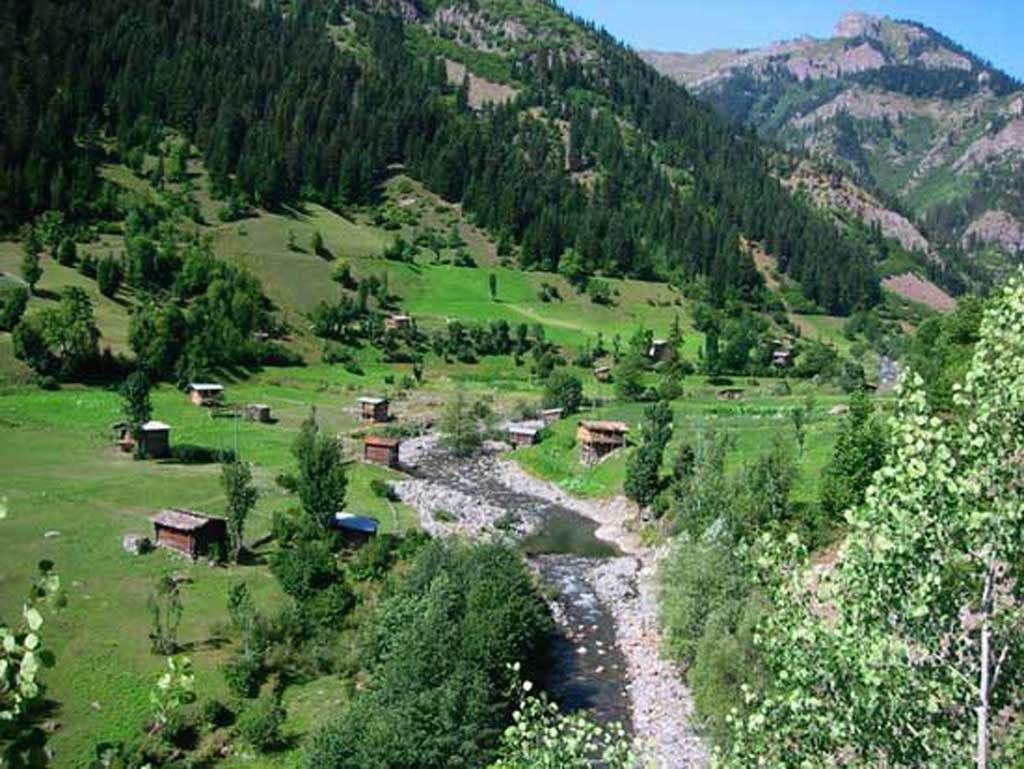
Paghava describes Iveti as spread along both sides of the Imerkhevi River. Below the village he noted a substantial arched bridge, well preserved at the time of the visit, with its old supports strengthened using reinforced concrete. His account records a crossing that continued to serve village life while retaining older masonry. It does not supply a secure construction date. [3, p. 88]
The valley also connected Iveti with the higher settlements and mountain passages. The study of fortifications in Shavsheti describes an older route through Iveti and the Papharta pass towards Gogadzeebi and the Uchkamba valley, linking into the Adjaristsqali corridor. This is historical geography: the river crossing, farms and upland paths belonged to a wider network between Imerkhevi and Adjara. [4, p. 67]
A year shaped by livestock and winter
In the 2005 field account, livestock raising was Iveti’s main occupation. In summer the animals were taken to mountain grazing grounds, while hay was cut and stored lower down. Villagers grew maize and beans, with some yonja for fodder; pear, apple and plum trees were also plentiful. Summer and autumn were busy seasons of laying in animal feed, firewood, household necessities and purchased provisions for a long mountain winter. [3, pp. 88–89]
The dialect conversations published in 2011 add the movement of people to this seasonal rhythm. Speakers mentioned family members in Germany, Bursa and İzmit, and described dividing the year between the village and elsewhere. One account estimated about seventy families associated with the village, with thirty remaining in winter. These are a resident’s recollections recorded in the field, rather than census figures. Snow closing roads and making medical visits difficult helps explain the practical reasons behind seasonal departures. [4, pp. 425–427]
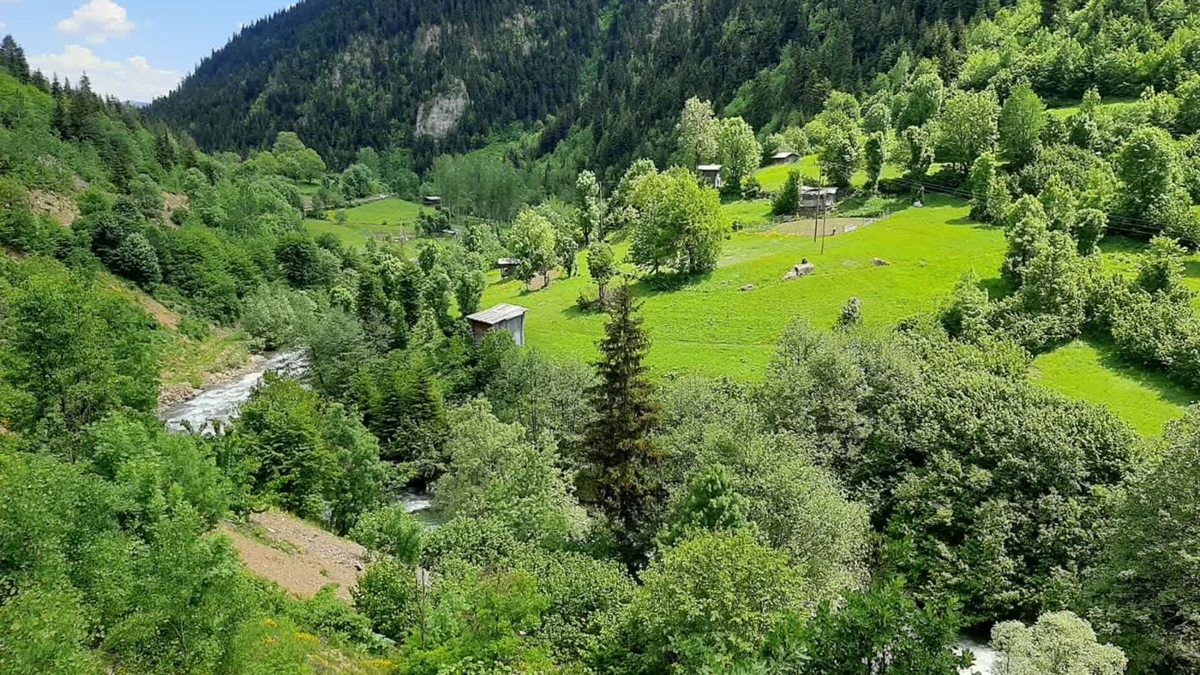
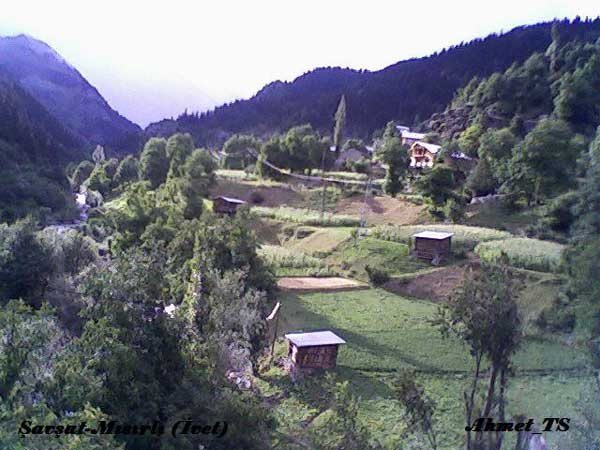
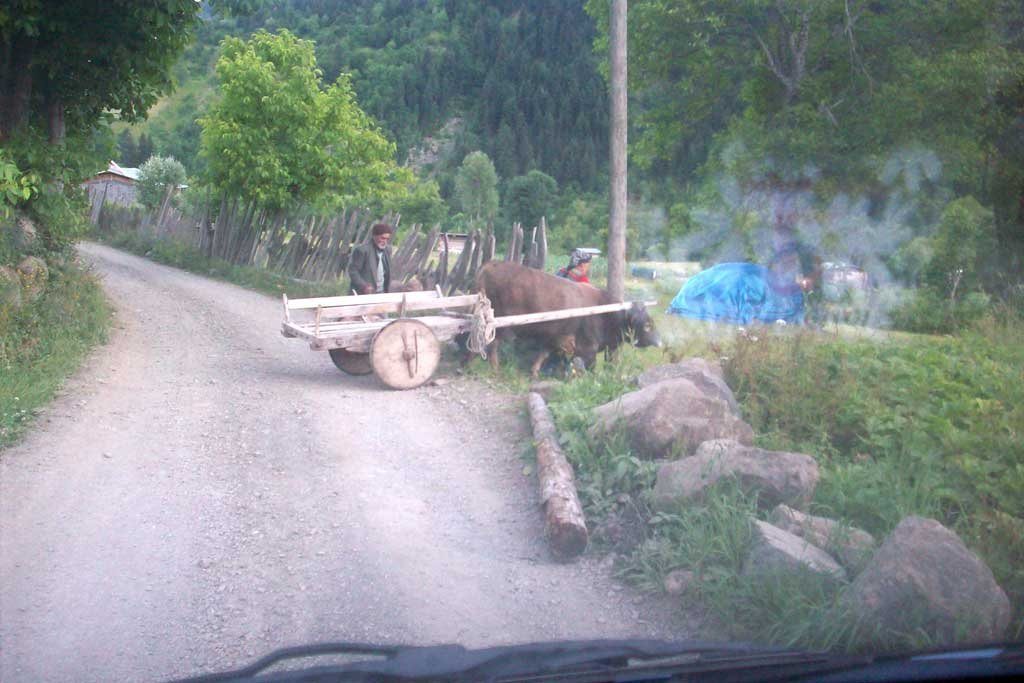
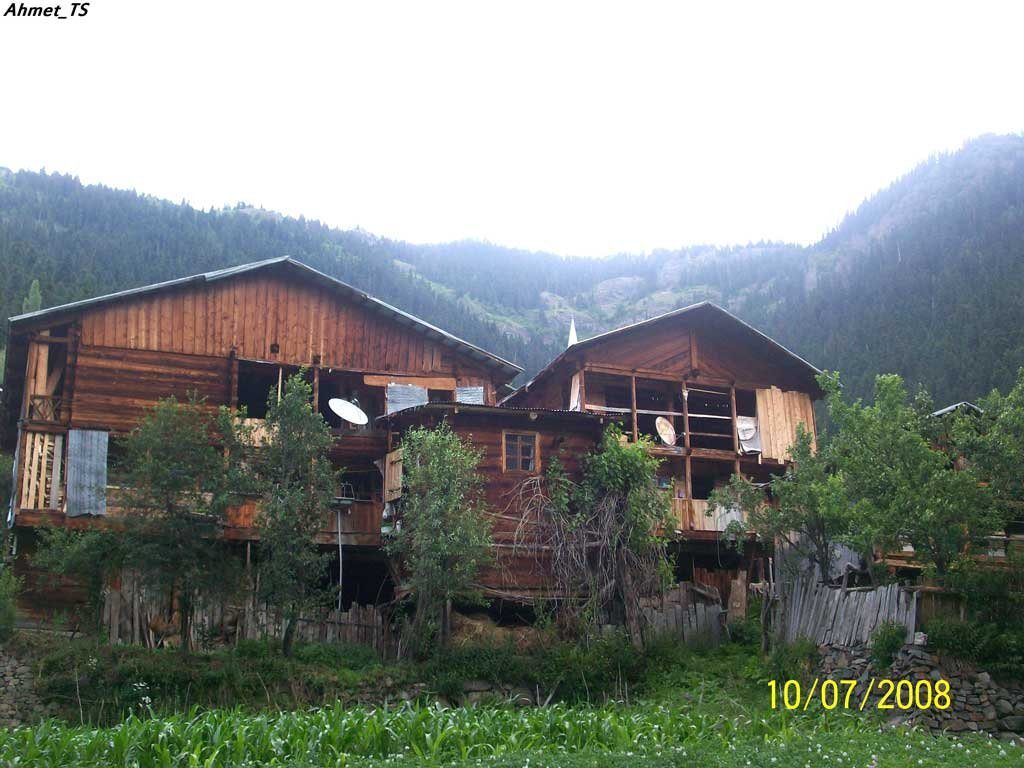
The photo archive complements these accounts with houses facing the valley, cultivated clearings and a roadside scene with a draught-animal cart. Together they show how home, farming and movement were woven into the same landscape.
Orchards, beans and household food
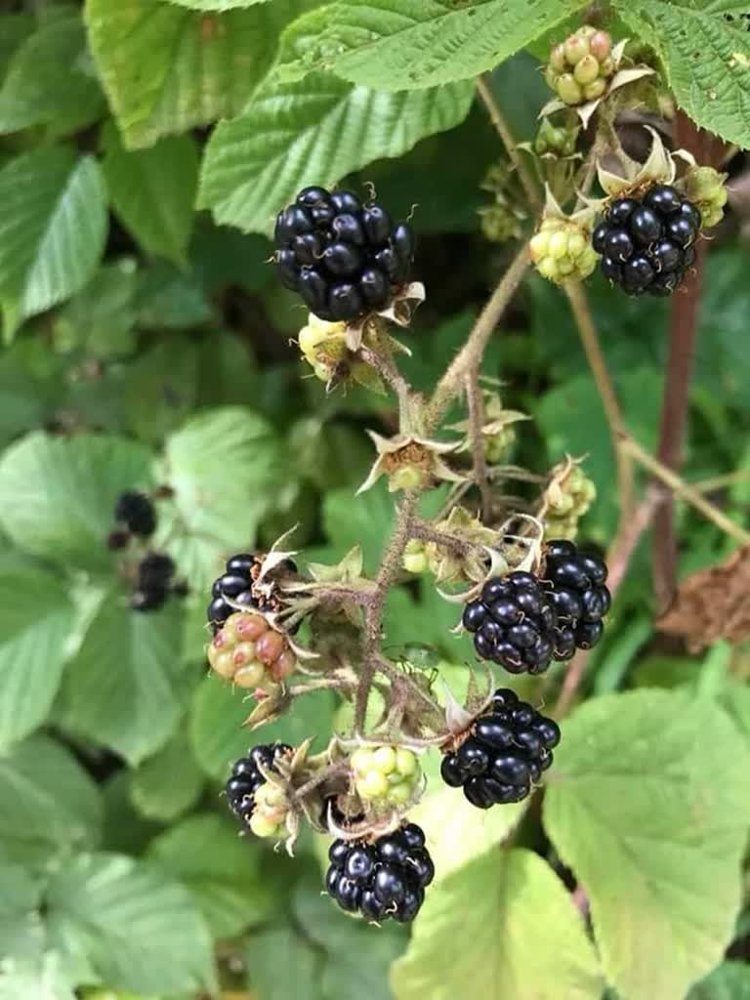
Iveti’s own household vocabulary gives its food culture texture. In the village conversations, pears included Tavrezulai, Saselai and Bostavani; apples included Shekervashli, Javevashli and Karafilai. Speakers also distinguished plums, chanchuri and oturi, mulberries, cherries and sour cherries. The recorded names preserve local fruit knowledge without assuming an exact match to today’s commercial cultivars. [4, p. 427]
Beans were more than an item in a crop list. A speaker named Agarelai and Khashri beans and praised the flavour of beans grown in the village. Potatoes were discussed according to their cooking uses, including boiling, soup and frying. Such distinctions show the knowledge behind everyday meals: which crop to grow, which fruit to keep, and how a particular ingredient should be prepared. [4]
The older expedition account places this food knowledge within a winter-provisioning economy. Crops, orchard fruit, livestock and fodder were interdependent; preparing for winter involved the household and its animals together. [3]
Tea, hospitality and everyday Georgian
The invitation to drink tea runs through Iveti’s recorded conversations: visitors are asked to sit, cups are filled, neighbours are called over and questions turn into shared stories. This matches Paghava’s description of the welcome in 2005. Hospitality was also the setting in which researchers heard the local Georgian language in ordinary use. [3] [4, pp. 425–427]
One speaker insists on the older name: “We are Iveti, as of old.” The passage contrasts the living Georgian name with Mısırlı, while the surrounding conversation moves freely among kinship terms, village names and Turkish words incorporated into local speech. The value of these texts lies in that everyday register—people speaking about relatives, gardens, schools, travel and work.
The collection also preserves blessings wishing life and good children to another household, and a speaker’s reluctance to curse even an unruly cow. These small exchanges reveal manners, affection and humour alongside the grammar and vocabulary recorded by the fieldworkers. [4, p. 426]
Storytellers and the 2005 expedition
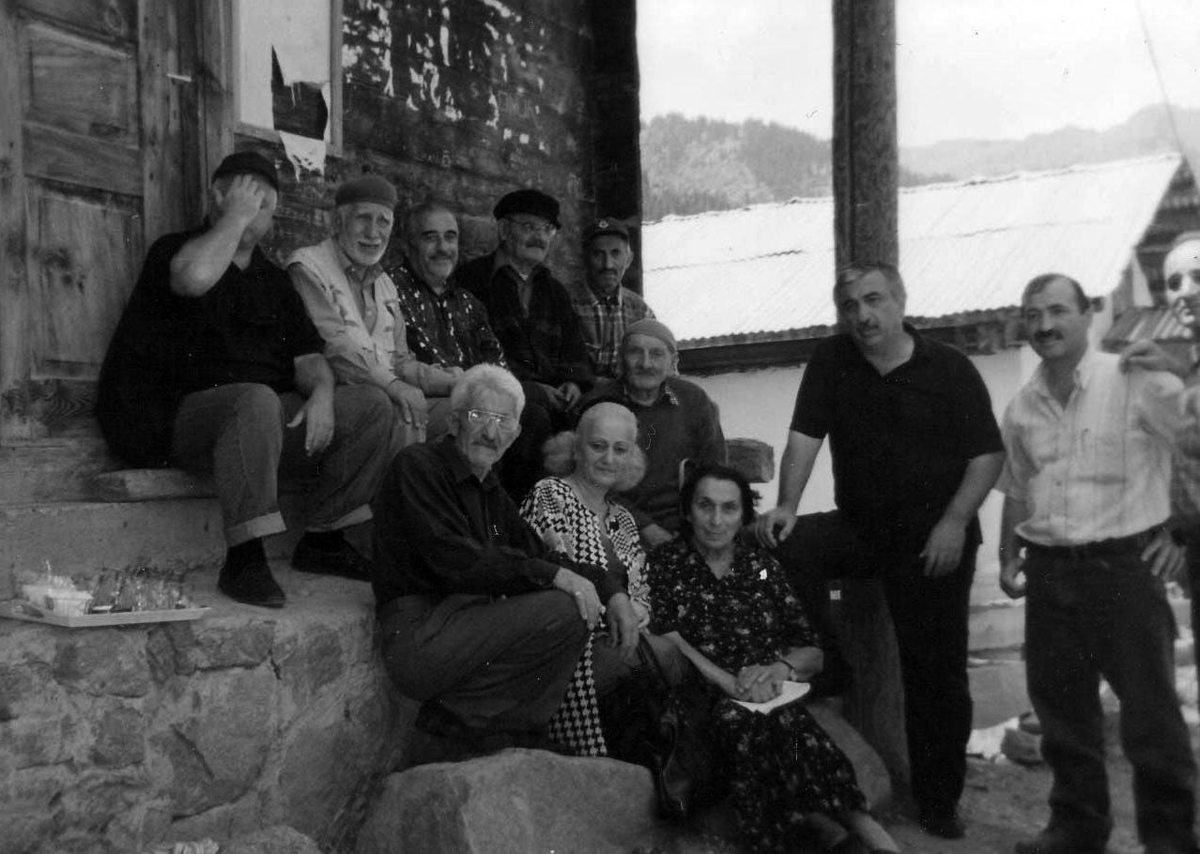
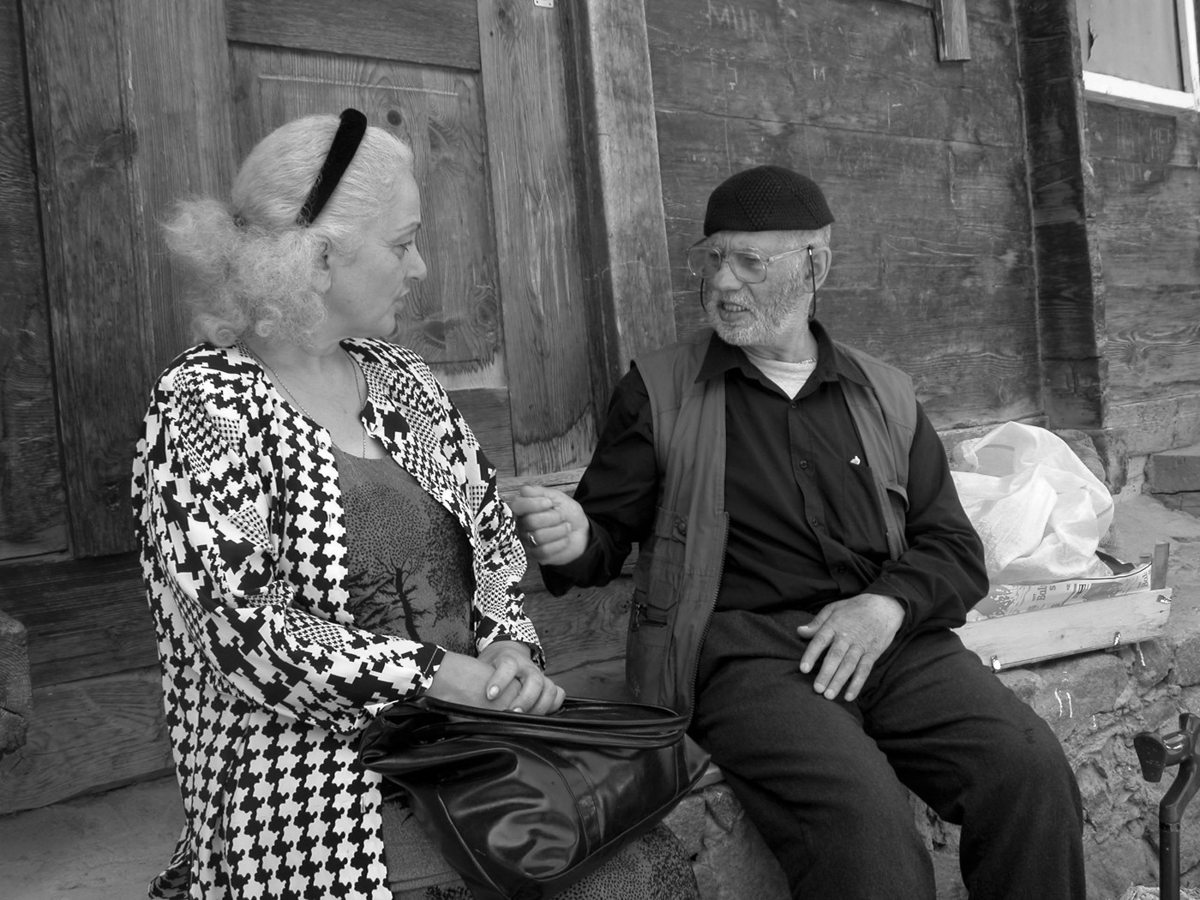
Iveti’s oral archive is attached to identifiable people. Dursun Sanjeri, recorded as seventy-two in 2005, contributed blessings, proverbs and verse. A photograph reproduced in Tina Shioshvili’s Shavshuri Folklori I shows him in conversation with the researcher in Iveti that year. Another photograph shows villagers with Meri Tsintsadze, Tina Shioshvili, Mamia Paghava and Malkhaz Chokharadze. [5, pp. 246, 316, 474, 476]
Irfan Chapkun (Mamadienti), recorded as sixty-seven, told humorous stories to Ramaz Khalvashi on 1 August 2005. The published collection includes tales built around comic misunderstandings, such as sowing salt as though it were seed. Selim Demir contributed love verse to Khalvashi on the same date; Emine Khasharoghli, recorded as sixty, gave a verse variant to Meri Tsintsadze. These names matter because oral literature survives through the people who remember and retell it. [5, pp. 218–219, 354, 359, 486–488]
Music and sung verse are part of this heritage, including Dursun’s remembered verse mentioning Batumi and Odesa. The fuller musical material belongs with our songs collection; here it sits beside the village’s wider world of stories, sayings and conversation. [5, pp. 119–120]
Family names and connections
The 2026 eighth-update compilation of Georgian villages and lineages has a short entry headed “Mısırlı (İveti)”. It records Karahmetoğlu (Işık). This is the association supplied by that compilation; its brevity should not be taken to mean that only one family lived in Iveti. [8, p. 13]
The field records name a wider circle of narrators—Sanjeri, Chapkun, Demir and Khasharoghli—and describe relatives across the valley, in Adjara and in cities elsewhere. These are different kinds of evidence, gathered at different times. Keeping them distinct allows both the lineage compilation and the remembered family networks to be read accurately.
| Lineage in the 2026 compilation | Surname association given |
|---|---|
| Karahmetoğlu | Işık |
The names of fields, springs and slopes
Nugzar Tsetskhladze’s toponymic study notes that an earlier Iveti collection contained sixty-eight place names, illustrating the density of local geographical knowledge. Names distinguished fields, springs, pasture, rocks and viewpoints at a much finer scale than a village map normally shows. [6, p. 40]
The 2015 expedition report provides the following eight names under Iveti, identified as near Meydancık. The Georgian forms are preserved here as published. They form one documented inventory within that larger tradition of naming, rather than a complete list of every place known to villagers. [7, p. 186]
ქვაბისხევი
Kvabiskhevi
ოხორთი
Okhorti
საფერეთი
Safereti
გომისკარი
Gomiskari
სალავარდიეთი
Salavardieti
კოეთი
Koeti
ბულულა
Bulula
წიქარაული
Tsikarauli
The two fieldwork photographs are extracted from the supplied folklore book; their captions identify Iveti and 2005. The village photographs come from the supplied community archive. Listed contributors may be uploaders rather than photographers, and posting dates are not confirmed capture dates. Open an image for a larger view.
- Niko Marr (Georgian edition, 2015), შავშეთსა და კლარჯეთში მოგზაურობის დღიურები, pp. 172–173 (1904 diary; Ivieti and the older settlement grouping).
- Roland Topchishvili & Inga Ghutidze (2019), Shavsheti and Klarjeti place-names in nineteenth- and early twentieth-century Russian documents, pp. 14, 123.
- Mamia Paghava (2011), შავშური ჩანაწერები, pp. 88–89 (Iveti visit, 1 August 2005).
- Mamia Paghava et al. (2011), შავშეთი, pp. 67, 327, 425–427, 529–530 (mountain route, names, village speech and contributors).
- Tina Shioshvili (2016), შავშური ფოლკლორი, I, pp. 119–120, 218–219, 246, 316, 354, 359, 474, 476, 486–488. Photographs: pp. 246, 316; original captions identify Iveti, 2005.
- Nugzar Tsetskhladze (2000), შავშეთ-იმერხევის ტოპონიმია, p. 40 (earlier Iveti place-name collection).
- Teimuraz Khutsishvili et al. (2016), ტაო-კლარჯეთის ძეგლების 2015 წლის საკვლევი ექსპედიციების ანგარიშები, p. 186 (Iveti microtoponyms).
- 8. Güncelleme (2026), Türkiye’deki Gürcü Köylerinin ve Gürcü Sülalelerinin En Kapsamlı Birleşik, Revize, Güncel Liste Çalışması, p. 13 (Mısırlı / İveti).
Şavşat community gallery — İvet / Mısırlı. Cihangir Kalyoncu · Muharrem Sütçü · İlhan Avcılar.
Photo credits
- Summer fields and wooded slopes — Summer fields and wooded slopes · Contributor listed: Cihangir Kalyoncu. Posted: 6 July 2020.
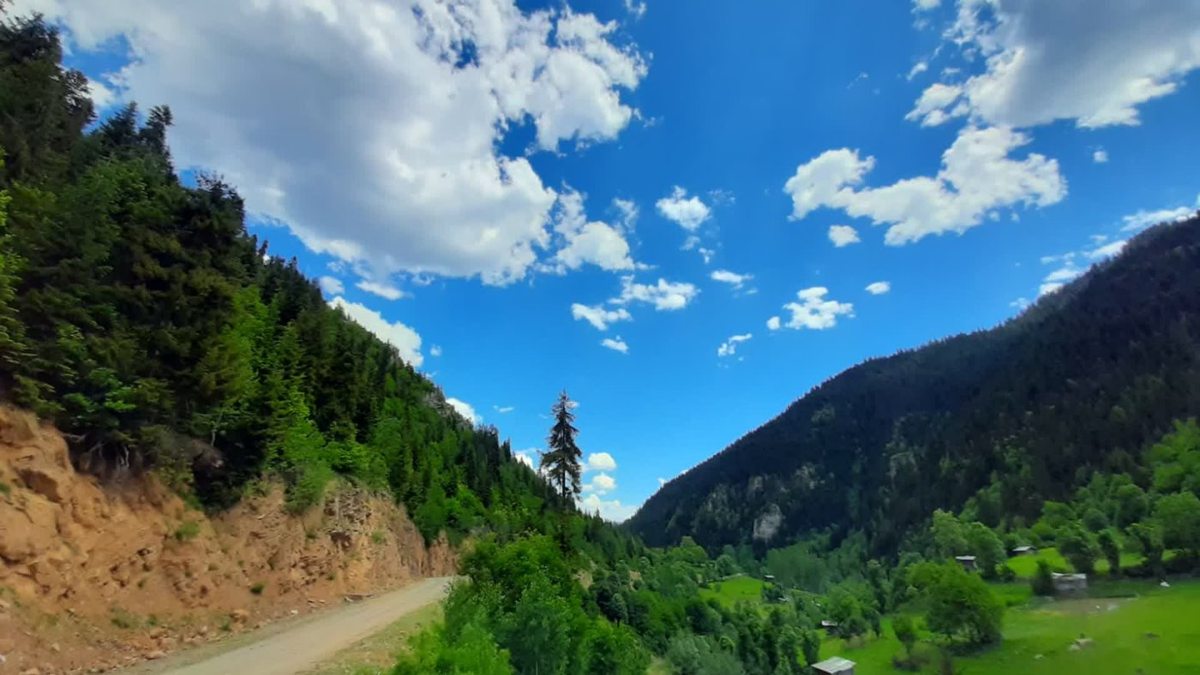
- A road through the Iveti valley — A road through the Iveti valley · Contributor listed: Cihangir Kalyoncu. Posted: 6 July 2020.
- River scene in the village archive — River scene in the village archive · Contributor listed: Cihangir Kalyoncu. Posted: 6 July 2020.
- Iveti village view — Iveti village view · Contributor listed: Muharrem Sütçü. Posted: 23 August 2008.
- Houses and the river valley — Houses and the river valley · Contributor listed: İlhan Avcılar. Posted: 8 September 2006.
- A roadside cart scene in Iveti — A roadside cart scene in Iveti · Contributor listed: Muharrem Sütçü. Posted: 23 August 2008.
- Wooden houses in the village archive — Wooden houses in the village archive · Contributor listed: Muharrem Sütçü. Posted: 23 August 2008.
- Blackberries — Blackberries · archive caption: “Mısırlı Jolo” · Contributor listed: Cihangir Kalyoncu. Posted: 6 July 2020.
- Iveti residents with researchers Meri Tsintsadze, Tina Shioshvili, Mamia Paghava and Malkhaz Chokharadze, 2005 — Iveti residents with researchers Meri Tsintsadze, Tina Shioshvili, Mamia Paghava and Malkhaz Chokharadze, 2005 · Reproduced in: Tina Shioshvili, Shavshuri Folklori I (2016), 246.
- Tina Shioshvili interviewing Dursun Sanjeri in Iveti, 2005 — Tina Shioshvili interviewing Dursun Sanjeri in Iveti, 2005 · Reproduced in: Tina Shioshvili, Shavshuri Folklori I (2016), 316.
- Imerkhevian house — Imerkhevian house · Marr publication, 1911; photographer unverified
Iveti is part of the village collection alongside the Turkish name Mısırlı. Explore its photographs and the developing local archive.

Village histories, dated population records and community recordings will be added as the archive develops.
A living archive. An ongoing conversation.
Documenting Imerkhevi through language, places, songs and shared memories.
Created by Ömer Faruk Bülbül · Sources & image credits