Listen to how a place speaks
A familiar Georgian word can take an unexpected turn here. Another word may sound closer to Turkish. In the speech of Imerkhevi, both can belong quite naturally to the same conversation.
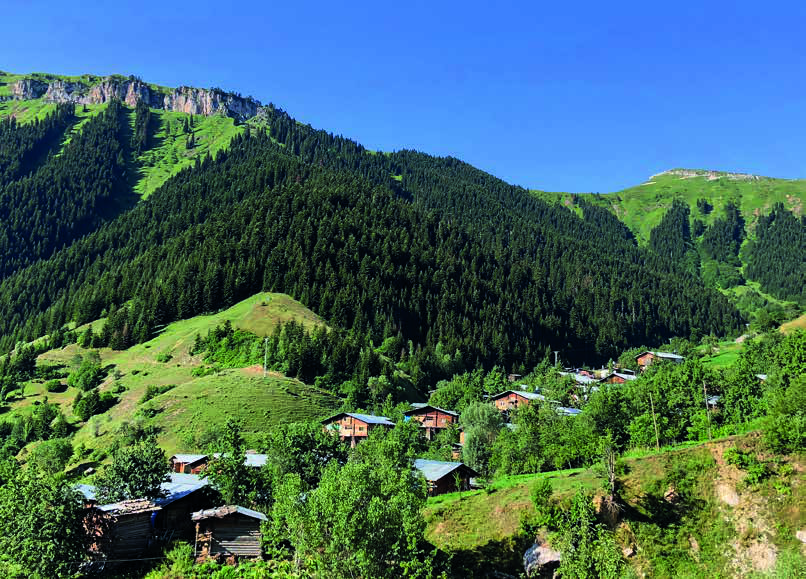
Imerkhevian Georgian
The Georgian spoken in Imerkhevi belongs to the southwestern dialect landscape of Georgian. Often called Imerkhevian (იმერხეული), it preserves local ways of speaking shaped by village life and long contact with Turkish. Dialect names and boundaries vary between researchers.
From Marr to Paghava
The introduction to A Shavshian Dialect of the Georgian Language (2022) contrasts an earlier tradition, represented by Niko Marr’s 1911 publication, of treating the Georgian speech of the historical Georgian regions in Turkey under the broader name “Imerkhevian”, with a more differentiated classification. Mamia Paghava and his co-authors distinguish four southern dialects: Taoan, Klarjian, Shavshian and Adjarian. Within Shavshian, they identify two subdialects: Imerkhevian and Machakhelian. “Southwestern” and Paghava’s “southern” therefore belong to different classificatory frameworks.
Older features, living contact
The dialect retains features also known from earlier Georgian, alongside its own developments. One example is the consonant written ჴ: Marr recorded it, and the 2022 study documents its survival and variation with ხ. Centuries of contact have also brought many Turkish words into local speech, adapted in different ways to Georgian pronunciation and usage. The book discusses forms such as მოსაფირი “guest” alongside Turkish misafir, and ბექმეზი “pekmez, concentrated fruit syrup” alongside pekmez.
A few words from everyday speech
These brief excerpts retain the book’s dialect spelling. English translations are provided for this website.
აჲ ცეკვა ჩვენებურაჲა
“This dance is ours.”
Svirevani. The letter ჲ represents a glide discussed in the source.
თუთიდან ბექმეზ ვაკეთებთ
“We make pekmez from mulberries.”
Ube. A Turkish borrowing within a Georgian sentence.
More voices to come
This introduction will grow with Ömer Faruk Bülbül (Tetradze)’s fieldwork videos, transcriptions and further studies of the dialect’s features. For now, explore the dictionary for more local vocabulary and source references.
Sources and reading
[1] Mamia Paghava, Meri Tsintsadze and Maia Baramidze, ქართული ენის შავშური დიალექტი (გამოკვლევა, მასალები, ლექსიკონი) / A Shavshian Dialect of the Georgian Language, Batumi, 2022. Classification: pp. 4–5; ჴ: p. 10; Turkish forms: pp. 41–42; excerpts: pp. 8 and 42. Marr’s classification is presented here through the authors’ discussion on p. 4, which cites Marr (1911).
A living archive. An ongoing conversation.
Documenting Imerkhevi through language, places, songs and shared memories.
Created by Ömer Faruk Bülbül · Sources & image credits